Ansari Analysis: The Great AI Political Pivot — Strategic Growth or PR Washing?
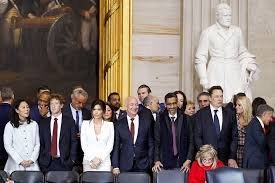
The High-Stakes Game of AI Diplomacy
In the rapidly evolving landscape of artificial intelligence, the battle isn’t just being fought with code and compute power—it’s being fought in the halls of power in Washington and state capitals. As the political tides shift, Silicon Valley’s titans are performing a delicate balancing act. From OpenAI to Meta, the goal is clear: ensure survival regardless of which party holds the gavel.
Recent moves suggest a strategic pivot. OpenAI’s decision to hire Jessica Schumer, daughter of Senator Chuck Schumer, and the rebranding of data centers as “compute campuses,” are more than just administrative changes. They are calculated attempts to soften the company’s image and build bridges with Democratic leaders who are increasingly keen on tightening AI oversight.
From Trump-Aligned Policies to Democratic Outreach
For the past few years, many tech executives leaned into a closer relationship with the Trump administration, benefiting from tax breaks and a lighter regulatory touch. However, the political climate is changing. The industry is now facing a critical juncture where bipartisan support is no longer optional—it’s a necessity for stability.
The Strategy of ‘PR Washing’
Critics, including experts like J.B. Branch from Public Citizen, argue that these moves are simply “PR washing.” The argument is that tech giants are investing in corporate public-private partnerships—such as Meta’s America’s Workforce Academy—to distract from the real issues: privacy violations, algorithmic bias, and market monopolies.
- n
- OpenAI: Partnering with the American Federation of Teachers to gain grassroots legitimacy.
- Anthropic: Launching the Claude Corps to project a sense of public service.
- Meta: Emphasizing the economic benefits of data centers to local communities.
Where the Real Fight Happens: State vs. Federal
While the spotlight remains on Washington, the real regulatory friction is happening at the state level. With potential federal gridlock, states are taking the lead by passing laws regarding deepfakes, chatbot transparency, and data center moratoriums.
The Ansari perspective on this trend suggests that the industry’s future won’t be decided by a single federal law, but by a patchwork of state regulations. This creates a complex operational environment where a company’s rules may depend entirely on the geography of its servers.
The Looming Question: Is the AI Bubble About to Burst?
Beyond politics, the markets are watching. A recent trillion-dollar sell-off has left investors questioning the sustainability of the AI boom. If the regulatory pressure mounts and the promised productivity gains don’t materialize fast enough, the industry could face a significant market correction.
As TechCrunch and other industry watchdogs report, the intersection of national security and economic prosperity makes AI a cornerstone of U.S. leadership. However, the distance between “innovation” and “regulation” is narrowing.
Final Thoughts
Whether these political maneuvers are genuine attempts at corporate responsibility or mere survival tactics, one thing is certain: the era of “move fast and break things” is being replaced by “move carefully and lobby strategically.” Big Tech is no longer just building tools; they are building political shields.
📰 You May Also Like