Youth Uprising in Paris: Thousands March for Education Reform
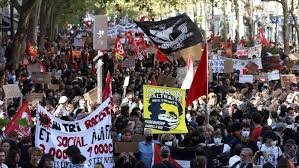
Youth Uprising in Paris: Massive Student Protests Demand Urgent Education Reform
The streets of Paris have once again become the epicenter of social unrest. In a powerful display of youth mobilization, hundreds of thousands of high school and university students took to the streets on October 6, 2026, demanding a complete overhaul of the French education system. This movement, which began in the Parisian suburbs in mid-September, has evolved into a national crisis, highlighting a deep divide between the youth and the government.
Why is Paris Protesting? The Core Demands
This isn’t just a simple school strike; it is a cry for dignity and quality education. Students from diverse backgrounds—public and private, spanning all religions and origins—have united under a common cause. The protesters are highlighting systemic failures that have left many feeling abandoned by the state.
The primary grievances include:
- Dilapidated Infrastructure: Reports of unsanitary and crumbling school buildings.
- Overcrowded Classrooms: A lack of space that hinders effective learning.
- Teacher Shortages: A critical number of vacant teaching positions that remain unfilled, especially in marginalized neighborhoods.
- Climate Inadequacy: Buildings that are not equipped to handle rising temperatures, making learning environments unbearable.
A Nation Divided: By the Numbers
The scale of the mobilization is staggering. While the Ministry of the Interior reported approximately 256,000 protesters across France—with 56,000 in the heart of Paris—organizers claim the actual number reached 450,000, with 100,000 marching in the capital alone.
This movement has captured the attention of political leaders across the spectrum. Left-wing figures, including Jean-Luc Mélenchon and Marine Tondelier, joined the marches, signaling that the education crisis is now a central pillar of the political discourse leading up to the presidential elections.
Tensions Rise: Police Violence and Human Cost
Unfortunately, the pursuit of educational reform has been marred by violence. Clashes between students and law enforcement have led to numerous injuries. According to official reports, over 200 students and 80 staff members have been injured since September 17.
Shocking incidents, such as a 15-year-old losing a hand to a police grenade and a 14-year-old suffering a broken jaw, have sparked outrage and accusations of police brutality. While the government maintains that the police response was proportional, several investigations have been launched into the conduct of the forces.
The Government’s Response and International Echoes
President Emmanuel Macron and Prime Minister Sébastien Lecornu have attempted to quell the unrest by calling for a return to classrooms to facilitate “internal democracy.” However, student organizations, such as FAGE, argue that dialogue is meaningless without a concrete budgetary unlock to fix the schools.
The unrest has even reached the international stage, with former US President Donald Trump commenting on the situation via social media, attributing the movement to immigration and religious tensions—a take that stands in stark contrast to the students’ focus on socio-economic rights.
What’s Next for the Youth of Paris?
With nearly a quarter of all high schools experiencing disruptions, the momentum shows no sign of slowing down. As the cost of living rises and budget cuts threaten housing aid for the youth, the students in Paris and beyond are making one thing clear: they will not be silenced until their future is secured.
For more real-time updates on international movements and social justice, you can follow reputable sources like France 24 or the Reuters News Agency.
📰 You May Also Like