Tyra Banks and America’s Next Top Model: A Legacy of Controversy
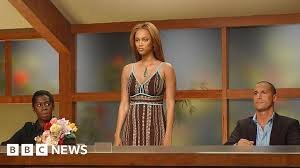
“I was rooting for you! We were all rooting for you! How dare you?” Tyra Banks’ infamous critique of Tiffany Richardson on America’s Next Top Model (ANTM) remains a defining moment in reality television history. Even two decades later, the intensity of that moment continues to resonate. But it’s just one piece of a much larger, and often troubling, narrative surrounding the show’s 24-season run.
From 2003 to 2018, ANTM captivated audiences with its weekly photoshoot challenges and the pursuit of a modeling contract. Broadcast in 170 countries and spawning numerous international spin-offs, the show was a global phenomenon. However, beneath the glamour lay accusations of body-shaming, problematic racial dynamics, and challenges that pushed contestants to their physical and emotional limits. A recent resurgence in popularity during the pandemic, fueled by a new generation discovering the show, has sparked a critical re-evaluation of its practices.
A Culture of Competition and Controversy
Sophie Sumner, a contestant on both Britain’s Next Top Model and the winner of ANTM’s Cycle 18 (“British Invasion”), recalls a stark difference in intensity. She describes the American version as a “fluffy little competition” in comparison, noting the judges’ relentless scrutiny of appearance – a reflection, she admits, of the often-harsh realities of the modeling industry at the time. However, she draws a line at challenges like “switching ethnicities,” deeming them simply “trash.”
Sumner’s experience highlights a pattern of producers prioritizing drama over contestant well-being. She recounts being pressured into a photoshoot atop the Macau Tower despite a fear of heights, illustrating a willingness to exploit vulnerabilities for ratings. “We didn’t have any help on the show,” she states. “It was to get the drama. It was to get the ratings.”
Revisiting the Past with Modern Eyes
Content creator Oliver Twixt, who has interviewed over 100 ANTM contestants, acknowledges the show’s problematic elements but cautions against judging it solely by today’s standards. He believes it’s important to recognize ANTM’s pioneering role in the reality TV genre and the context of its time. “It was a new thing and they were going to make mistakes,” he explains. Vulture provides a comprehensive look at the show’s impact.
However, others vehemently disagree. Ebony Haith, a contestant from the show’s first cycle in 2003, shares a deeply painful experience of being criticized for her skin texture and feeling that her race became a focal point. She is still grappling with the impact of those comments 23 years later, stating, “It seemed as though my race, my skin complexion, my hairstyle became so loud that I couldn’t be this innocent girl having this fun experience.”
Haith’s story, and others like it, are explored in the new Netflix documentary, Reality Check: Inside America’s Next Top Model. The documentary features interviews with Tyra Banks and other judges, offering a long-awaited opportunity to address the show’s controversies.
Tyra Banks’ Perspective and the Show’s Legacy
Tyra Banks has stated that she created ANTM to challenge industry standards and promote diversity, reflecting the representation she felt was lacking during her own modeling career. While some, like Sophie Sumner, believe Banks had good intentions, they also suggest that the pursuit of ratings ultimately overshadowed those goals. Banks herself admits in the documentary that certain moments, like the confrontation with Tiffany Richardson, “went too far.”
The documentary directors, Daniel Sivan and Mor Loushy, emphasize that Banks and the producers had no control over the final edit, allowing for an unfiltered examination of the show’s history. They believe it’s crucial to critically assess the past, acknowledging both the positive and negative aspects of ANTM’s influence. As BBC Newsbeat reports, the show opened doors for diverse representation but also caused significant harm.
Ultimately, America’s Next Top Model remains a complex and controversial legacy. It pioneered a genre, launched careers, and sparked important conversations about beauty, race, and the ethics of reality television. But it also left a trail of emotional scars and raised serious questions about the responsibility of producers to protect their contestants. The ongoing dialogue, fueled by the Netflix documentary and a new generation of viewers, ensures that the show’s story will continue to be debated for years to come.