
Unexpected Midnight Shake: Magnitude 3.2 Earthquake Hits Southern California
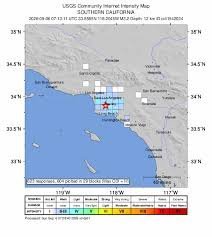
While most of the region was asleep, a sudden tremor woke up residents across Southern California. According to the U.S. Geological Survey (USGS), a preliminary 3.2 magnitude earthquake struck near Compton at approximately 12:13 a.m. on Sunday, sending a ripple of alarm through the community.
The Details: Where and How Deep?
The seismic event was centered approximately 2 miles south-southeast of Compton, situated about 6.1 miles north of Long Beach. The quake occurred at a depth of 8 miles, which is shallow enough for the vibrations to be felt clearly by those in the immediate vicinity.
- Magnitude: 3.2
- Location: Near Compton, CA
- Time: 12:13 a.m. Sunday
- Depth: 8 miles
Did You Feel It? Community Impact
The earthquake wasn’t just a local event for Compton. Residents in several neighboring cities reported feeling the tremor, including:
- Los Angeles
- Universal City
- La Habra
- Pico Rivera
- Garden Grove
As of the latest reports, nearly 928 people have already submitted their experiences via the USGS “Did You Feel It?” (DYFI) online form, with the majority describing the sensation as “weak shaking.”
A Pattern of Seismic Activity
This isn’t the only tremor to hit the region recently. Seismic activity has been slightly elevated, with another 3.2 magnitude earthquake recorded near Ontario on September 2nd. While these magnitudes are relatively low, they serve as a reminder of the active fault lines that define the California landscape.
Stay Informed and Safe
Earthquakes can happen without warning. To stay updated on real-time seismic activity and learn how to prepare for larger events, we recommend visiting the official USGS Earthquake Hazards Program website.
If you experienced this tremor, we encourage you to report it to the USGS to help scientists better map the region’s seismic behavior.



