
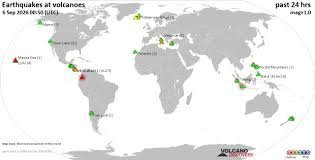
Earthquake Near Me: Your Complete Guide to Real-Time Tracking and Safety
That sudden jolt or a subtle sway can be terrifying. The first instinct for most people during these moments is to reach for their phone and search for “earthquake near me”. In a world where seismic activity can strike without warning, knowing where to find reliable information and how to react can make all the difference between safety and danger.
Whether you live in a high-risk zone or were simply surprised by an unusual tremor, staying informed is your best line of defense. In this guide, we will explore how to track earthquakes in real-time and the essential steps to protect yourself and your loved ones.
How to Check for Earthquakes in Real-Time
When you feel the ground shake, you need fast, accurate data. Avoid relying solely on social media rumors; instead, use authoritative sources that provide scientific data.
- n
- USGS (United States Geological Survey): The gold standard for seismic monitoring. Their Latest Earthquakes Map provides real-time updates on magnitude, depth, and epicenter location.
- Google Search: Simply typing “earthquake near me” into Google often triggers an integrated alert system that shows the most recent activity in your immediate vicinity.
- Mobile Apps: Apps like MyShake or the official USGS alerts can provide seconds of warning before the shaking starts in certain regions.
What to Do During an Earthquake: Drop, Cover, and Hold On
Panic is the enemy during a seismic event. The most effective way to reduce injury is to follow the “Drop, Cover, and Hold On” protocol recommended by safety experts:
- DROP: Drop down onto your hands and knees. This position protects you from being knocked over and allows you to stay low to avoid flying objects.
- COVER: Take cover under a sturdy table or desk. If no shelter is nearby, cover your face and head with your arms and crouch in an inside corner of the building.
- HOLD ON: Hold on to your shelter until the shaking stops. Be prepared to move with your shelter if it shifts.
Essential Safety Tips for Different Environments
Your reaction should depend on where you are when the earthquake occurs:
- If you are indoors: Stay there. Do not run outside, as falling debris from building facades is a primary cause of injury. Stay away from glass, windows, and heavy furniture.
- If you are outdoors: Move to an open area away from buildings, streetlights, utility wires, and overpasses.
- If you are in a vehicle: Pull over to a clear location, stop, and stay inside the car with your seatbelt fastened until the shaking ceases.
Preparing for the Aftermath
The initial quake is often followed by aftershocks, which can be strong enough to collapse already damaged structures. To ensure your family’s safety, follow the guidelines provided by Ready.gov.
Create an Emergency Kit
Having a pre-packed bag can save lives. Your kit should include:
- Water (one gallon per person per day).
- Non-perishable food and a manual can opener.
- A first-aid kit and essential medications.
- A battery-powered or hand-crank radio.
- Flashlights and extra batteries.
- A whistle to signal for help.
Final Thoughts
While we cannot prevent seismic activity, we can control how prepared we are. The next time you find yourself searching for “earthquake near me,” remember that knowledge and a calm response are your most powerful tools. Stay vigilant, keep your emergency kit updated, and always rely on official geological data to stay safe.



