John Ternus: Leading the Charge in Google’s Hardware and AI Innovation
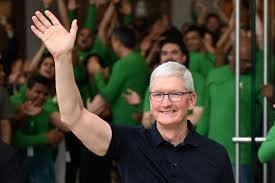
In the rapidly evolving landscape of consumer electronics, few names carry as much weight today as John Ternus. As the Vice President of Devices & Services at Google, Ternus has become the face of the company’s ambitious push to integrate cutting-edge software with high-performance hardware.
From the sleek design of the latest Pixel smartphones to the intuitive nature of Nest home products, Ternus is steering Google toward a future where technology is not just a tool, but an ambient presence that anticipates user needs.
Redefining the Smartphone Experience with Google Pixel
Under the leadership of John Ternus, the Google Pixel line has evolved from a niche enthusiast device into a legitimate powerhouse in the global smartphone market. The focus has shifted from mere specifications to meaningful AI integration. Ternus has championed the idea that the best hardware is the one that makes the software shine.
Key milestones during his tenure include:
- n
- The AI-First Approach: Implementing features like Magic Eraser and Real Tone, which leverage Google’s computational photography.
- Hardware Optimization: The transition to Google Tensor chips, allowing for deeper integration between the OS and the processor.
- Sustainable Design: A commitment to using recycled materials without compromising the premium feel of the devices.
The Integration of Gemini AI: A New Era
One of the most significant shifts under Ternus’s guidance is the infusion of Gemini AI across the entire hardware portfolio. It’s no longer just about a voice assistant; it’s about a multimodal AI that can see, hear, and reason in real-time.
By bringing Gemini directly onto the device, Ternus is ensuring that Google’s hardware offers faster response times and enhanced privacy. This strategy positions the Pixel as the premier vehicle for experiencing the current AI revolution, making complex tasks feel effortless for the average user.
Beyond the Phone: The Unified Ecosystem
John Ternus isn’t just focused on phones. His vision encompasses a holistic ecosystem where Pixel, Nest, and Fitbit work in perfect harmony. This “ambient computing” philosophy ensures that your health data from Fitbit informs your home environment via Nest and is managed seamlessly via your Pixel device.
This ecosystem approach is critical for competing in a market where interoperability is king. By streamlining the user experience across different form factors, Ternus is building a loyalty loop that keeps users within the Google environment.
What’s Next for Google Hardware?
As we look forward, the industry expects Ternus to continue pushing the boundaries of foldables, wearables, and AI-driven home automation. The goal is clear: to create a seamless bridge between the digital and physical worlds.
For those interested in the latest official updates on these innovations, you can follow the official Google Blog (The Keyword), where the vision for the next generation of devices is often unveiled.
Conclusion
John Ternus is more than an executive; he is an architect of the modern AI experience. By balancing technical rigor with a user-centric philosophy, he is ensuring that Google remains a dominant force in the hardware space for years to come.