
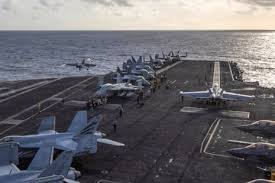
Breaking Point: The USS Abraham Lincoln’s Exhausting Journey to Southeast Asia
After an grueling 250 consecutive days at sea, the USS Abraham Lincoln aircraft carrier is finally making a temporary stop in Thailand. While the Thai navy describes the visit as a “routine port call,” the reality onboard the vessel tells a much more distressing story of endurance, low morale, and systemic failure.
The carrier, which has been pivotal in supporting US operations against Iran, is currently navigating its way back to San Diego. However, before reaching home, the crew will have a brief window to rest and recuperate in eastern Thailand. This stop is not just about logistics; it is a necessary reprieve for approximately 5,000 personnel who have reached their breaking point.
Reports of Dire Living Conditions Onboard
Behind the image of military precision, reports have surfaced regarding the deteriorating conditions aboard the Lincoln. Families of the sailors have voiced alarming concerns, citing several critical issues that have plagued the crew during their extended deployment:
- n
- Resource Shortages: Persistent lacks of basic supplies and potable water.
- Infrastructure Failure: Chronic plumbing problems affecting hygiene and quality of life.
- Mental Health Crisis: A sharp decline in morale and a rise in psychological distress.
The situation has grown so dire that Navy Times reported multiple instances of sailors attempting to jump overboard, a harrowing sign of the desperation felt by some crew members.
The Human Cost: Discipline vs. Mental Health
One particularly heartbreaking case involves a 19-year-old sailor who jumped overboard. While the US Navy confirmed he was safely recovered and provided with medical care, the aftermath has been contentious. The sailor’s wife revealed that he is now facing disciplinary action for “malingering” and “absence without leave.”
Adding to the tragedy, the sailor had reportedly requested paternity leave to be with his newborn daughter, a request that was denied. This intersection of rigid military discipline and severe mental health struggles has sparked an intense debate over how the Pentagon handles the well-being of its personnel.
Strategic Context: The Role of Southeast Asian Hubs
The movement of carrier strike groups through this region is strategically vital. From the ports of Thailand to the sophisticated naval facilities in Singapore, the Indo-Pacific remains a critical zone for US power projection. Singapore, in particular, serves as a primary logistics and support hub for the US Navy, emphasizing the importance of maintaining healthy and capable crews to sustain operations in these high-tension waters.
Political Fallout and Demands for Accountability
The plight of the USS Abraham Lincoln’s crew has not gone unnoticed in Washington. Several Democratic lawmakers have officially demanded answers from the Pentagon, questioning why the deployment lasted so long without significant port visits and why the living conditions were allowed to deteriorate to such a level.
As the ship continues its journey home, the incident serves as a stark reminder that the strength of a naval fleet is not just in its weaponry, but in the health and resilience of the sailors who man the ships.



