
The High Cost of Luxury: New York’s Bold Move to Tax Second Homes
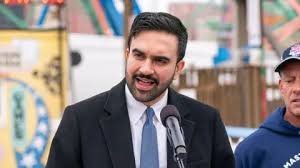
Owning a single property in New York is a milestone many dream of but few can afford. However, for a small circle of the global elite, one residence simply isn’t enough. To address growing socioeconomic disparities, Mayor Zohran Mamdani has introduced a provocative measure: the “pied-à-terre” tax.
This annual fee targets second homes in the city valued at over $5 million, as well as specific condos and co-ops worth more than $1 million. While the goal is to generate approximately $500 million in annual revenue, the rollout has sparked a fierce debate over privacy, security, and the ethics of wealth.
The “Hit List” Controversy
The tax itself is significant, but the method of implementation has caused an uproar. To identify potential taxpayers, the administration released a list of nearly one million properties. This list included some of the most high-profile names in the world, including:
- n
- Ken Griffin: Hedge fund titan and owner of a $239 million penthouse.
- Woody Allen: Renowned film director.
- Anna Wintour: Former Vogue editor-in-chief.
- Cynthia Nixon: Acclaimed actress.
Critics, including City Council member Kamillah Hanks, have described the publication as a “scarlet letter,” arguing that it creates a dangerous “hit list” that exposes wealthy residents to scammers and security threats. On the other hand, the NYC Department of Finance maintains that this data is public record and legally required to be available.
Funding the Future vs. Discouraging Investment
The administration’s vision is clear: use the surcharge to fund essential city services. The promised benefits include universal childcare and the implementation of free, faster bus services to improve urban mobility for all New Yorkers.
However, the real estate sector is sounding the alarm. Jason Haber of the American Real Estate Association suggests that the confusion and perceived hostility toward homeowners could deter foreign and domestic investment in the city, potentially offsetting the tax gains through lost revenue in the luxury market.
A Global Trend: From Paris to Vancouver
New York isn’t alone in this struggle. Many global hubs are experimenting with secondary home taxes to combat housing vacancies and fund infrastructure:
- Paris, France: Implements a local tax surcharge (up to 60% in some areas) on second homes, generating billions of euros.
- Vancouver, Canada: The Empty Homes Tax, introduced in 2017, charges 3% of a property’s value if it remains vacant. This has successfully reduced vacancies by up to 21%.
- San Francisco, USA: Attempted a similar “Empty Homes Tax,” though it currently faces legal challenges regarding its constitutionality.
The Bottom Line
While the legal battle over the public list continues, the philosophical divide remains. To supporters like the Patriotic Millionaires, the tax is a reasonable request for those who enjoy the benefits of New York without contributing full-time income taxes. To opponents, it is an overreach that threatens personal safety and economic stability.
As the city navigates these legal waters, one thing is certain: the fight over New York real estate is no longer just about square footage—it’s about social equity.



