Alex Eala’s Historic Triumph: How Beating Jessica Pegula Sparked a Tennis Revolution in the Philippines
The sporting landscape of the Philippines is witnessing a seismic shift. For decades, the nation’s passion was concentrated on the “three Bs”: basketball, billiards, and boxing. However, a new star has emerged to challenge that status quo. Alex Eala, the 21-year-old phenom, has officially put the world on notice after securing a historic milestone in women’s tennis.
A Monumental Victory in Washington DC
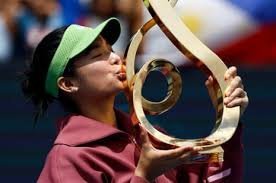
In a thrilling display of resilience and skill, Alex Eala became the first player from the Philippines to capture a Women’s Tennis Association (WTA) Tour-level singles title. The victory was not without its challenges; the final in Washington DC was a grueling encounter, interrupted by rain delays and stretched over two days.
The pinnacle of the tournament saw Eala face off against the top-ranked Jessica Pegula. In a stunning upset, Eala managed to come from behind to claim the title. Jessica Pegula, known for her consistency and power, praised the electric atmosphere following the match, noting the immense support from the Filipino community.
“This is the best Monday final crowd I’ve seen… To all the Filipino fans that came out and have supported, you guys are helping to grow tennis around the world, and I appreciate that,” said Pegula.
From Quezon City to the World Stage
Eala’s journey is a testament to grit and determination. Unlike many elite players who come from high-funded infrastructures, Eala began her journey on painted-over basketball courts in Quezon City. Her talent eventually earned her a scholarship to the prestigious Rafa Nadal Academy in Spain at the age of 13.
This victory follows a string of impressive performances, including a historic run at Wimbledon in July, where she upset the defending champion, Iga Swiatek, on Centre Court—marking the furthest any Filipino woman has ever progressed in a Grand Slam championship.
A Presidential Welcome and a National Obsession
The impact of Eala’s success transcends the scoreboard. Upon her return to Manila, she was hosted at a grand reception by President Ferdinand Marcos at the Malacanang Palace. The President hailed her as an inspiration, stating that she continues to “redefine what is possible for Philippine tennis.”
The “Eala Effect” is visible across the country:
- n
- Surging Demand: Tennis camps and classes are now fully booked.
- Infrastructure Growth: Local clubs are upgrading old courts to accommodate the influx of new players.
- Cultural Shift: Watch parties are now common in public spaces, with fans staying up through the night to cheer for Eala’s international matches.
n
n
n
Breaking Barriers for the Next Generation
While the celebration is widespread, Eala remains focused on the future. She has been vocal about the need to improve access to public courts and equipment, ensuring that children from modest backgrounds can follow in her footsteps without the barriers of elite-only access.
Even boxing legend Manny Pacquiao joined the praise, calling Eala “our new champion” and highlighting her “Filipino heart.” As Eala puts it, “tagumpay nating lahat”—this is a victory for everyone.