
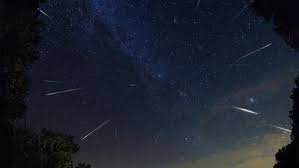
A Celestial Masterpiece: The Perseids are Back!
There is nothing quite like the magic of a Canadian summer night, but this August, the sky is preparing an event that you simply cannot miss. The Perseids meteor shower is returning, and this year, astronomy enthusiasts have a reason to be extra excited: the perfect alignment of the lunar cycle.
The Secret Ingredient: The Absence of the Moon
While it might seem counterintuitive, the “star” of the show this year is actually what isn’t there. The peak of the Perseids coincides with a new moon. Because the moon will be positioned between the Earth and the Sun, it will remain invisible in the night sky.
For stargazers, this is the ultimate scenario. Without the natural light pollution caused by a bright moon, the sky becomes a deep, velvety black, allowing even the faintest “shooting stars” to pierce through the darkness. According to experts, this makes the 2024-2025 window particularly spectacular for those in Quebec and Eastern Canada.
When and Where to Watch in Canada
If you want to catch the peak of the action, mark your calendars:
- Prime Dates: August 11th to 14th.
- The Absolute Peak: Wednesday, August 12th, around 10:00 PM.
- Best Locations: Move away from urban centers. While you might see a dozen meteors in a city like Montreal, heading to darker regions like Saint-Donat in Lanaudière could reveal over 60 meteors per hour!
Pro Tips for the Ultimate Stargazing Experience
You don’t need expensive equipment to enjoy this show. In fact, telescopes and binoculars can actually limit your field of view. Follow these simple steps for the best experience:
- Find a Dark Spot: Escape city lights to maximize visibility.
- Let Your Eyes Adjust: Give your vision about 30 minutes to adapt to the darkness.
- Get Comfortable: Lie flat on your back on the ground.
- Look North-East: Point your feet toward the northeast to see the meteors radiating from the constellation Perseus.
The Science Behind the Sparkle
But what exactly are we seeing? These “shooting stars” are actually small grains of dust and rock. Every summer, Earth passes through the debris trail of Comet 109P/Swift-Tuttle. As these particles hit our atmosphere at incredible speeds, they heat up and vaporize, creating the brilliant streaks of light we admire.
The comet itself is a behemoth, with a nucleus approximately 26 kilometers in diameter—nearly twice the size of the asteroid that caused the extinction of the dinosaurs. You can learn more about the mechanics of these events at NASA’s official website.
Local Events You Can’t Miss
If you prefer a guided experience, several Canadian institutions are hosting special nights:
- Montreal Planetarium: Special observation evenings on August 12th and 13th, with reduced lighting at the Olympic Park to fight light pollution.
- ASTROLab (Mont-Mégantic National Park): Offering multimedia presentations and guided night hikes from August 11th to 14th (reservations required).
Whether you are a seasoned astronomer or just someone looking for a moment of wonder, the combination of the Perseids and the new moon offers a rare opportunity to connect with the vastness of our universe. Grab a blanket, head outside, and look up!



