
The New Wave of Trade Restrictions: Understanding the Latest US Customs Duties
The global trade landscape has just faced a significant shake-up. In a bold and controversial move, the United States has imposed customs duties of at least 10% on 59 different countries, including the European Union. This decision marks a pivot in trade policy, aiming to use economic pressure to enforce human rights standards on a global scale.
The Catalyst: Combating Forced Labour
The administration’s justification for these new tariffs is centered on ethics and human rights. According to official statements, the duties were implemented because the targeted nations failed to take sufficient action to curb imports produced through forced labour. By leveraging World Trade Organization (WTO) principles and national security interests, the U.S. aims to clean up global supply chains.
A Legal Tug-of-War in the Supreme Court
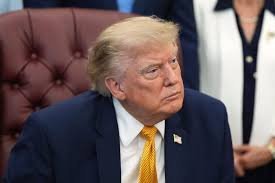
However, the timing of these measures has raised eyebrows among legal experts. These new customs duties came into effect precisely as temporary tariffs—which President Donald Trump had previously relied upon—expired. This transition follows a significant legal defeat for the administration before the Supreme Court.
The move has not gone unnoticed by critics. Letitia James, the Attorney General of New York, has been vocal in her opposition, framing the move not as a human rights victory, but as a legal workaround. James argues that the administration is attempting to “illegally increase taxes on families and businesses” by introducing a new series of tariffs after failing to secure a legal victory in the highest court.
What This Means for the Economy
- n
- Consumer Impact: Increased customs duties often lead to higher retail prices for consumers as businesses pass the costs down.
- Business Strain: Companies relying on international imports from the EU and the 59 affected nations may see a dip in profit margins.
- Diplomatic Tension: The imposition of these tariffs could lead to retaliatory measures from the European Union and other trade partners.
As the debate between economic sovereignty and international law continues, the world watches to see if these customs duties will actually lead to a reduction in forced labour or simply ignite a new trade war.



