
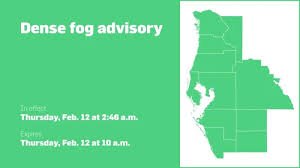
Dense Fog Advisory: A Comprehensive Guide to Staying Safe
A dense fog advisory isn’t just a weather announcement; it’s a call to action. When visibility drastically decreases due to thick fog, everyday activities become potentially hazardous. This guide provides essential information on understanding dense fog advisories, staying safe while driving, protecting your health, and preparing your home. We’ll cover everything you need to know to navigate these challenging conditions.
Understanding the Dense Fog Advisory
The National Weather Service (NWS) issues a dense fog advisory when fog reduces visibility to ¼ mile or less. This isn’t just an inconvenience; it significantly increases the risk of accidents. It’s crucial to understand the difference between a fog advisory and a more severe fog warning, which indicates even lower visibility and more dangerous conditions. Always check the latest forecasts from the National Weather Service for up-to-date information in your area.
Driving in Dense Fog: A Step-by-Step Guide
Driving in dense fog is arguably the most dangerous activity. Here’s how to minimize risk:
- Slow Down: Reduce your speed significantly. The faster you go, the less time you have to react.
- Use Low Beams: High beams reflect off the fog and can worsen visibility.
- Activate Fog Lights: If your vehicle has them, use fog lights for increased visibility.
- Increase Following Distance: Leave ample space between you and the vehicle ahead.
- Be Prepared to Stop: Know where you can safely pull over if visibility becomes too poor.
- Avoid Sudden Movements: Steer and brake gently.
- Listen for Traffic: Roll down your window slightly to hear approaching vehicles.
- Consider Postponing Travel: If possible, the safest option is to delay your trip until the fog lifts.
The National Highway Traffic Safety Administration (NHTSA) offers valuable resources on safe driving in adverse weather conditions.
Health Concerns During Dense Fog
Dense fog can also impact your health, particularly for individuals with respiratory conditions. The fog itself isn’t directly harmful, but it can trap pollutants near the ground, exacerbating asthma, bronchitis, and other lung problems.
- Limit Outdoor Activity: Reduce strenuous outdoor exercise when a dense fog advisory is in effect.
- Stay Indoors: If you have respiratory issues, stay indoors with windows closed.
- Use Air Purifiers: Air purifiers can help remove pollutants from indoor air.
- Monitor Air Quality: Check local air quality reports for updates on pollutant levels.
Preparing Your Home for Dense Fog
While dense fog doesn’t typically cause direct damage to homes, it can create hazardous conditions.
- Ensure Proper Ventilation: If using heating systems, ensure adequate ventilation to prevent carbon monoxide buildup.
- Check Outdoor Lighting: Make sure outdoor lights are functioning properly to improve visibility around your property.
- Be Aware of Moisture: Fog can lead to increased moisture, potentially causing slippery surfaces.
Staying Informed
The key to staying safe during a dense fog advisory is to stay informed. Regularly check weather updates from reliable sources like the NWS and local news outlets. Be prepared to adjust your plans and prioritize safety.



