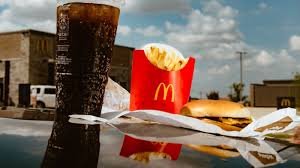
McDonald’s. The name is synonymous with fast food, convenience, and, for many, a nostalgic childhood memory. But beyond the Golden Arches lies a complex story of innovation, adaptation, and global dominance. This article delves into the fascinating world of McDonald’s, exploring its history, menu evolution, cultural impact, and what the future holds for this iconic brand.
A Humble Beginning: The McDonald Brothers’ Revolution
The story begins not with Ray Kroc, but with Richard and Maurice McDonald. In 1940, they opened a barbecue restaurant in San Bernardino, California. Recognizing that most of their profits came from hamburgers, they streamlined their operation in 1948, introducing the “Speedee Service System.” This revolutionary approach focused on efficiency, limited menu, and self-service, effectively creating the modern fast-food concept. This wasn’t just about faster service; it was about a fundamentally different way of thinking about food preparation and delivery. You can learn more about the early days of fast food at History.com’s article on the History of Fast Food.
Ray Kroc and the Expansion of an Empire
Enter Ray Kroc, a milkshake machine salesman who saw the potential for nationwide franchising. In 1954, he partnered with the McDonald brothers and began opening McDonald’s restaurants across the United States. Kroc’s vision extended beyond simply replicating the existing model; he focused on consistency, quality, and real estate acquisition. He eventually bought out the McDonald brothers in 1961, solidifying his control and paving the way for the global expansion we see today. His relentless drive and business acumen were crucial to transforming McDonald’s from a regional success into a global powerhouse.
The McDonald’s Menu: Beyond the Big Mac
While the Big Mac, French fries, and Chicken McNuggets are arguably the most recognizable items on the McDonald’s menu, the company has consistently adapted to changing consumer tastes. From breakfast items like the Egg McMuffin (a game-changer in the fast-food breakfast market) to seasonal offerings and international variations, McDonald’s strives to remain relevant. They’ve also responded to health concerns by introducing salads, fruit options, and healthier alternatives, though the core menu remains focused on affordability and convenience. The menu is a constant work in progress, reflecting a deep understanding of market trends and customer preferences.
McDonald’s and its Cultural Impact
McDonald’s has had a profound impact on global culture. It’s become a symbol of Americanization, often appearing in films and literature as a representation of Western consumerism. The Golden Arches are instantly recognizable worldwide, and the brand has become deeply ingrained in the fabric of many societies. However, this influence hasn’t been without criticism. Concerns about health, labour practices, and environmental sustainability have led to ongoing debates and calls for greater corporate responsibility. The company has faced scrutiny regarding its marketing practices, particularly those aimed at children, and has made efforts to address these concerns.
The Future of McDonald’s: Innovation and Adaptation
Looking ahead, McDonald’s faces new challenges and opportunities. Increased competition from other fast-food chains, changing dietary habits, and the rise of delivery services are all factors shaping the future of the brand. McDonald’s is investing heavily in technology, including self-ordering kiosks, mobile ordering, and delivery partnerships. They are also exploring new menu innovations, focusing on plant-based options and customizable meals. The company’s ability to adapt to these changes will be crucial to maintaining its position as a global leader in the fast-food industry. McDonald’s Investor Relations provides insights into their future strategies.