
From Memes to Mandates: How Gen Z Slang Invaded the Indian Parliament
Imagine a scene where some of the most powerful politicians in one of the world’s oldest democracies are debating legislation using terms like “delulu,” “FOMO,” and “clock it.” While it sounds like a satirical sketch, this surreal intersection of internet culture and governance recently became a reality in India’s Lok Sabha (lower house of parliament).
The shift didn’t happen by accident. It was the result of a powerful, youth-led digital uprising that proved that the distance between a viral Instagram Reel and a government resignation is shorter than we think.
The Rise of the Cockroach Janta Party (CJP)
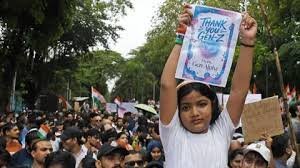
The catalyst for this linguistic shift was the Cockroach Janta Party (CJP). What started as a satirical internet collective quickly evolved into a serious political force. Driven by outrage over exam paper leaks and systemic failures in the education system, the movement became a lightning rod for broader frustrations regarding unemployment and political indifference.
Unlike traditional political movements, the CJP lived and breathed through digital-native formats:
- n
- Visual Activism: Protests were packaged as “fit checks” and “Get Ready With Me” (GRWM) videos.
- Rapid Coordination: Organized via WhatsApp and Telegram, then amplified through Instagram and TikTok-style edits.
- Viral Reach: Memes transformed complex policy grievances into digestible, shareable content that drew millions of young people onto the streets.
The impact was tangible: the movement successfully pressured the resignation of education minister Dharmendra Pradhan, proving that digital activism can yield real-world political consequences.
When “Delulu” Hits the Floor of Parliament
Following the unrest, the government introduced a new anti-exam leak bill. However, the debate that followed wasn’t conducted in the usual formal prose. Instead, MPs began mirroring the vocabulary of the protesters to signal connection with the youth.
The linguistic highlights included:
- “MIA” and “FOMO”: Shrikant Shinde of the Shiv Sena party accused the opposition of being “missing in action” and gripped by the “fear of missing out.”
- “Delulu”: Used by multiple MPs (including those from the BJP) to describe opponents who were detached from reality.
- “Clocked it”: Bansuri Swaraj claimed Prime Minister Narendra Modi had “clocked it” (spotted the solution) by introducing the new law.
The absurdity of the moment wasn’t lost on everyone. Opposition leader Supriya Sule initially questioned why the house was adopting Gen Z lingo, only to find herself using the word “delulu” moments later.
Cultural Awareness vs. Political Transformation
Is this a sign that Indian politics has finally “discovered” Gen Z? Not necessarily. Political scientists suggest that borrowing popular culture is an age-old tactic. From cricket analogies to Bollywood catchphrases, politicians have always adapted their speech to mirror their electorate.
However, digital anthropologist Payal Arora notes a key difference: internet slang evolves at breakneck speed. Using this vocabulary signals cultural awareness, but it doesn’t necessarily signal political transformation. Borrowing a generation’s words is far easier than addressing the systemic frustrations that created the slang in the first place.
The “Cringe” Factor: Listening vs. Mimicking
For the students on the front lines, the sight of elderly politicians using Gen Z slang isn’t inspiring—it’s cringe. The sentiment among protesters is clear: they don’t want politicians to speak like them; they want politicians to listen to them.
As the government continues to grapple with the digital afterlife of the CJP protests—including legal actions against student activists—the linguistic experiment in parliament serves as a reminder. In the age of the internet, accountability cannot be achieved through a change in vocabulary, but through a change in action.



