
Understanding PG Stock: The Power of Consumer Staples
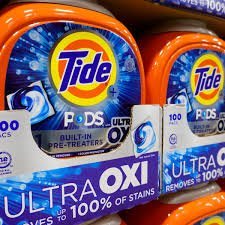
When investors look for stability amidst market volatility, one ticker often comes to mind: PG stock (Procter & Gamble). As a global leader in consumer packaged goods, P&G owns some of the most recognizable brands in the world, including Tide, Gillette, Pampers, and Pantene.
But in today’s fluctuating economy, is PG stock still a reliable bet for your portfolio? Let’s break down the fundamentals, the risks, and the potential rewards of investing in this industry giant.
Why Investors Love PG Stock: The “Dividend King” Status
One of the most compelling reasons to hold PG stock is its legendary track record of returning value to shareholders. P&G is widely recognized as a Dividend King, meaning it has increased its dividend payouts for over 60 consecutive years.
- n
- Consistent Income: For income-focused investors, PG provides a steady stream of cash flow regardless of economic downturns.
- Brand Loyalty: Because they sell essential products (soap, diapers, toothpaste), demand remains relatively constant even during recessions.
- Pricing Power: P&G’s strong brand equity allows them to raise prices to offset inflation without losing a significant portion of their customer base.
Potential Risks to Consider
While PG stock is often seen as a “safe haven,” it is not without its challenges. Investors should keep an eye on the following factors:
- Slow Growth: Because P&G is already a massive entity, it doesn’t offer the explosive growth seen in tech stocks. It is a play for stability, not rapid wealth accumulation.
- Competitive Pressure: The rise of private-label (store-brand) products can eat into P&G’s market share, especially when consumers are tightening their budgets.
- Currency Fluctuations: As a global company, a strong US dollar can negatively impact their international earnings.
Technical Outlook and Financial Health
To get a real-time sense of where the stock stands, it is essential to monitor the PG stock price and financial metrics on Yahoo Finance. Key indicators to watch include the Price-to-Earnings (P/E) ratio and the current dividend yield.
Historically, P&G maintains a strong balance sheet with disciplined capital allocation, ensuring that they can continue to innovate while rewarding shareholders.
Final Verdict: Should You Buy PG Stock?
Investing in PG stock is generally best suited for investors who prioritize capital preservation and passive income over aggressive growth. If you are building a retirement portfolio or looking to hedge against a volatile market, P&G remains one of the most reliable pillars in the consumer staples sector.
For more detailed corporate governance and investor reports, you can visit the official Procter & Gamble Investor Relations page.



