
Stay Ahead of the Storm: Your Complete Guide to Environment Canada Edmonton Weather Updates
Living in the heart of Alberta means embracing one of the most dynamic and unpredictable climates in North America. From blistering summer heatwaves to the legendary deep freezes of winter, staying informed isn’t just a matter of convenience—it’s a matter of safety. That is where Environment Canada Edmonton comes into play.
Whether you are a lifelong resident of the Capital City or a newcomer navigating your first Alberta winter, knowing how to interpret official weather data is essential. In this guide, we will explore how to make the most of Environment Canada’s resources to keep you and your family prepared.
Why Rely on Environment Canada for Edmonton Weather?
While there are many third-party weather apps available, Environment and Climate Change Canada (ECCC) is the gold standard for meteorological data in the region. They utilize a vast network of radar stations and satellite imagery to provide high-precision forecasts specifically tailored to the Edmonton metropolitan area.
By monitoring the official Environment Canada Edmonton page, you get access to:
- n
- Real-time Temperature Readings: Accurate data from the Edmonton International Airport and city centers.
- Hourly Forecasts: Precise predictions to help you plan your commute or outdoor activities.
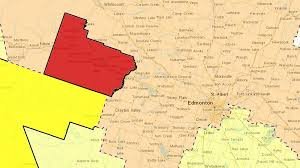
- Severe Weather Alerts: Immediate notifications regarding storms, blizzards, or extreme heat.
Understanding Weather Alerts: Watches vs. Warnings
One of the most critical aspects of using Environment Canada Edmonton is understanding the terminology used in their alerts. Misinterpreting these can lead to either unnecessary panic or dangerous under-preparedness.
1. Weather Watches
A Watch means that conditions are favorable for a specific weather event (like a severe thunderstorm or a blizzard) to occur. It is a “heads-up” to stay vigilant and keep an eye on updates.
2. Weather Warnings
A Warning means the event is actually occurring or is imminent in your area. When a warning is issued for Edmonton, it is time to take immediate action to protect yourself and your property.
Navigating Edmonton’s Seasonal Extremes
Edmonton is famous for its “four seasons in one day” experience. Here is how to use Environment Canada data across the year:
- Winter (November – March): Keep a close eye on Wind Chill and Snowfall Accumulation. Extreme cold warnings are common and critical for avoiding frostbite.
- Spring (April – May): This is the season of volatility. Monitor for sudden temperature drops and early-season thunderstorms.
- Summer (June – August): Pay attention to the Humidex and heat warnings, as Edmonton can experience intense spikes in temperature.
- Autumn (September – October): Watch for rapid cooling trends and the first signs of snowfall.
Pro Tips for Staying Safe and Prepared
To ensure you are never caught off guard by the Alberta climate, follow these strategic tips:
- Download the Official App: Ensure you have a reliable way to receive push notifications for severe weather warnings.
- Check the Radar: Before heading out for a long drive, check the precipitation radar to see if storms are moving toward the city.
- Prepare Your Kit: Based on the Environment Canada Edmonton forecasts, keep an emergency kit in your car containing a blanket, scraper, and warm clothing during winter.
By staying connected with the most reliable meteorological data, you can navigate the beauty and the challenges of the Edmonton landscape with confidence. Stay safe, stay informed, and always check your forecast before stepping out the door!



