The Magic and Mayhem of Shakespeare’s Most Romantic Comedy
When we think of Christian Bale today, we imagine the intense transformation of The Machinist or the brooding darkness of Batman. However, stepping back to 1999, we find a very different version of the actor in Michael Hoffman’s cinematic adaptation of William Shakespeare’s A Midsummer Night’s Dream.
This film is a glittery, spirited journey into a world where love is chaotic and magic is real. For those who remember the play from their school days, the story is a complex web of four intersecting plotlines that collide in the enchanting (and often confusing) woods of Athens.
A Story of Love, Fairies, and Donkey Heads
At its heart, the narrative revolves around romantic entanglements sparked by a magical flower. Once its essence touches a sleeper’s eyes, they fall instantly in love with the first person they see. This leads to several comedic disasters:
- n
- The Royal Pair: Theseus and Hippolyta attempt to find common ground.
- The Four Lovers: Hermia, Lysander, Helena, and Demetrius find their affections scrambled by fairy mischief.
- The Fairy Feud: The bitter rift between King Oberon and Queen Titania fuels the chaotic events.
- The Mechanicals: A group of amateur actors, led by the boastful Bottom, attempt to perform a tragedy, only for Bottom to be transformed into a donkey.
n
n
n
n
The Cast: A Who’s Who of Talent
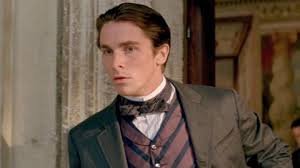
The 1999 production is perhaps best remembered for its lavish casting. While Christian Bale takes on the role of Demetrius, this particular performance leans more toward the “beefcake” aesthetic than the dramatic powerhouse we know today, spending a significant portion of the film shirtless. While not arguably his finest acting role, it remains a fascinating glimpse into his early career.
The supporting cast is equally impressive:
- n
- Michelle Pfeiffer delivers a sharp, fierce performance as Titania.
- Stanley Tucci brings a satyr-like energy to the mischievous Puck.
- Kevin Kline is pitch-perfect as Bottom, capturing the essence of the “blowhard” with ease.
- Sam Rockwell provides wonderful comedic relief as Flute, proving his dedication even in a smaller role.
n
n
n
n
While some actors struggled with the rhythmic demands of Shakespearean prose—Calista Flockhart, for instance, didn’t quite capture the Bard’s poetry—theater graduates like Anna Friel and Dominic West handled the material with grace.
Atmosphere and Artistic Direction
Rather than the traditional Athens, Hoffman relocates the action to the fictional Monte Athena in Tuscany. This shift gives the film a distinct, bucolic vibe, though budget constraints sometimes make the production feel smaller than the filmmakers intended. You have to use a bit of imagination to see the true scale of this pastoral paradise.
One of the film’s greatest triumphs is its soundscape. The use of Felix Mendelssohn’s famous wedding march elevates the finale, providing a classical elegance that resonates with music enthusiasts.
Final Verdict: Is It Worth a Rewatch?
While the 1935 version directed by Max Reinhardt remains the gold standard for Shakespeare on film, the 1999 version is a delightful, high-energy romp. With a Rotten Tomatoes score of 66%, it is far from perfect, but it is undeniably charming.
Whether you are a fan of Christian Bale looking for a retro gem or a lover of classical comedy, this film is worth revisiting for the cast alone. It proves that even a slightly mishandled Shakespeare is better than no Shakespeare at all in a world that could always use a bit more magic.