San Francisco weather is notoriously…complex. Forget everything you think you know about California sunshine. The city by the bay boasts a unique climate shaped by its geography, resulting in microclimates that can change drastically within a few blocks. This guide will equip you with everything you need to know to navigate the ever-changing conditions and make the most of your visit (or daily life!).
Understanding San Francisco’s Unique Climate
The key to understanding San Francisco weather lies in its location. Situated on the Pacific coast, it’s heavily influenced by the cold California Current and the frequent presence of marine layer fog. This fog, affectionately nicknamed ‘Karl the Fog’ by locals (and with its own Twitter account!), rolls in from the ocean, particularly during the summer months. This isn’t your typical gloomy, drizzly fog; it’s often a thick, cool mist that blankets the city, creating a mystical atmosphere.
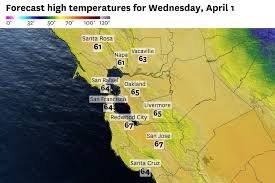
The city’s hills and valleys also contribute to its microclimates. Areas sheltered from the wind can be significantly warmer than those exposed to the ocean breeze. For example, the Sunset District, closest to the ocean, is often foggy and cool, while the Mission District, nestled between hills, enjoys more sunshine and warmer temperatures.
San Francisco Weather by Season
Spring (March – May)
Spring is arguably one of the best times to visit San Francisco. The fog is less prevalent, and temperatures begin to rise. Expect average highs in the 60s (°F) and lows in the 50s (°F). Rainfall is moderate, but generally less frequent than in winter. It’s a great time for outdoor activities like hiking, biking, and exploring the city’s parks.
Summer (June – August)
Summer in San Francisco is surprisingly cool! Don’t expect scorching heat. The marine layer is at its strongest during these months, bringing frequent fog and cool temperatures. Average highs are in the 60s and 70s (°F), but can drop significantly when the fog rolls in. The Sunset and Richmond districts are particularly prone to fog. This is the time when layering is *essential*.
Fall (September – November)
Fall is often considered the warmest and sunniest time of year in San Francisco. The fog begins to dissipate, and temperatures can reach the 70s and even 80s (°F) on warmer days. It’s a beautiful time to visit, with clear skies and pleasant weather. This is often referred to as ‘Indian Summer’.
Winter (December – February)
Winter is the wettest season in San Francisco, with most of the rainfall occurring during these months. Temperatures are mild, with average highs in the 50s (°F) and lows in the 40s (°F). While snow is rare, it can occasionally fall on the higher peaks surrounding the city. Expect gray skies and occasional showers.
Tips for Packing for San Francisco Weather
- Layers are key: Bring a jacket, sweater, and t-shirts that you can easily layer.
- Don’t forget a scarf: Even on sunny days, the wind can be chilly.
- Comfortable walking shoes: You’ll be doing a lot of walking!
- Sunscreen: Even on foggy days, the sun can be strong.
- Check the forecast: Use a reliable weather app or website (like the National Weather Service) before you go.
San Francisco weather is unpredictable, but with a little preparation, you can enjoy all that this amazing city has to offer, rain or shine (or fog!).