Northern Lights & Aurora Borealis Forecast: A Guide to Witnessing the Magic
The Northern Lights (Aurora Borealis) are one of nature’s most spectacular displays, captivating viewers with their ethereal dance of color across the night sky. If you’ve ever dreamed of witnessing this breathtaking phenomenon, you’re not alone! But knowing when and where to look is key. This guide provides the latest Aurora Borealis forecast, essential viewing tips, and everything you need to plan an unforgettable experience.
What Causes the Northern Lights?
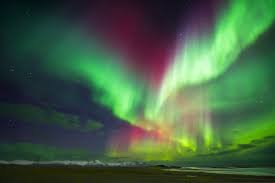
The Aurora Borealis is caused by charged particles from the sun colliding with gases in the Earth’s atmosphere. These collisions release energy in the form of light, creating the vibrant colors we see. The colors depend on the type of gas being excited and the altitude of the collision. Green is the most common color, produced by oxygen at lower altitudes, while red is produced by oxygen at higher altitudes. Blues and purples come from nitrogen.
Understanding the Aurora Forecast
Predicting the Northern Lights isn’t an exact science, but scientists use several factors to create forecasts. The most important is the Kp index, which measures geomagnetic activity. A higher Kp index (ranging from 0 to 9) indicates a stronger geomagnetic storm and a greater chance of seeing the Aurora.
- Kp 0-3: Minor activity. Visible only at very high latitudes.
- Kp 4-5: Moderate activity. Visible in more southerly locations, like parts of Canada and the northern US.
- Kp 6-9: Strong to severe activity. Visible across a wide range of latitudes, potentially even in the southern US.
Several websites provide reliable Northern Lights forecasts:
- NOAA Space Weather Prediction Center – The official source for space weather forecasts.
- Aurora Forecast – A user-friendly website with detailed forecasts for Iceland and other locations.
- SpaceWeatherLive – Provides real-time data and forecasts.
Best Locations to See the Northern Lights
While the Aurora can be seen in many northern locations, some offer better viewing opportunities than others. Here are a few top destinations:
- Alaska, USA: Fairbanks is a popular choice due to its location under the auroral oval.
- Iceland: Offers stunning landscapes and frequent Aurora displays.
- Norway: Tromsø is known as the “Gateway to the Arctic” and provides excellent viewing opportunities.
- Canada: Yukon, Northwest Territories, and Nunavut offer dark skies and frequent Aurora sightings.
- Finland: Lapland is a magical winter wonderland with a high chance of seeing the lights.
Tips for Viewing the Northern Lights
- Find a dark location: Get away from city lights to maximize your viewing experience.
- Check the weather: Clear skies are essential.
- Be patient: The Aurora can be unpredictable.
- Dress warmly: Temperatures can be extremely cold.
- Use a tripod: For capturing stunning photos, a tripod is a must.
Capturing the Aurora: Photography Tips
Photographing the Northern Lights requires some specific settings. A wide-angle lens, a low aperture (f/2.8 or lower), and a long exposure (15-30 seconds) are generally recommended. Experiment with ISO settings to find the right balance between brightness and noise. Remember to focus manually on a distant star or object.
Witnessing the Northern Lights is a truly unforgettable experience. With a little planning and the right information, you can increase your chances of seeing this magical phenomenon. Don’t forget to check the latest Aurora Borealis forecast and prepare for an adventure!