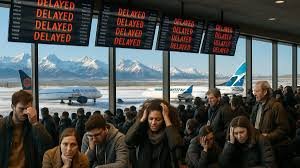
Calgary Airport Faces Significant Travel Disruptions
Calgary International Airport (YYC) is currently grappling with a substantial wave of disruptions, impacting travel plans for thousands of passengers. As of today, a total of 52 flights have been delayed and three have been cancelled, triggering a ripple effect across major travel corridors in Canada, the United States, Europe, and Asia.
Operational data reveals that Calgary International Airport is experiencing an unusually high number of schedule disruptions. Airlines including Air Canada, WestJet, United Airlines, KLM, and Porter are among those affected, impacting both domestic and international routes. While the majority of services are still operating, significant delays are causing missed connections and extended journey times for travelers.
Impact on Connecting Flights and Global Travel
Calgary’s crucial role as a key hub for western Canada amplifies the impact of these disruptions. Many passengers connect through YYC to cities like Toronto, Vancouver, and Montreal, as well as international destinations. Even minor schedule changes in Calgary can cascade throughout the wider network.
Recent reports have already highlighted pressure on Canadian airports, including Calgary, with elevated rates of delays. Today’s figures underscore the potential for localized issues to translate into nationwide disruption. The delays and cancellations are reverberating across multiple continents, affecting flights linking Calgary with key North American gateways and international routes operated by carriers like KLM.
Downstream impacts are being observed at airports including Toronto Pearson, Vancouver International, Montreal Trudeau, Paris Charles de Gaulle, Tokyo, and Cancun. A single delay originating in Calgary can stretch across multiple sectors, impacting flights hours or even a full day later.
Causes and Contributing Factors
While the specific causes of each delay and cancellation vary, several factors are contributing to the current situation. Recent weather conditions, including snow events and reduced visibility, have periodically slowed operations at the airport. However, broader operational strain across Canada’s aviation system – including air traffic control programs, runway capacity constraints, and aircraft/crew availability – is also playing a role.
The compounding effect of earlier disruptions is also a factor. When flights are delayed or cancelled on previous days, aircraft and crews can become out of position, creating a backlog that is difficult to clear quickly. Technical and maintenance issues can further complicate matters.
What This Means for Travelers
Travelers are facing longer waits at gates, missed connections, and, in some cases, overnight stays while waiting for alternative flights. Social media and online forums are filled with reports of lengthy tarmac holds, diversions to other airports, and extended layovers. Passengers whose flights are delayed or cancelled may be entitled to meal vouchers, hotel accommodation, or refunds, depending on the airline and the circumstances.
These disruptions may also influence future travel decisions, with passengers potentially opting for alternate hubs or even driving to larger airports to avoid affected routes. The current situation highlights the interconnectedness of the global air travel system and how a single airport’s challenges can ripple across continents.
Stay informed: For the latest updates, check your airline’s website and the Calgary Airport website.