Jack Nicholson’s Hydrogen Car: A Forgotten Chapter in Automotive History
Celebrity endorsements are a time-honored tradition, and they continue to shape consumer trends today. In 2024, we saw Dua Lipa championing the new electric Porsche Macan. But rewind to the late 1970s, and you’ll find Jack Nicholson taking automotive involvement to a whole new level. He wasn’t just promoting a new technology; he was investing in it, putting his own money on the line.
The H2-4 Chevy and a Vision for the Future
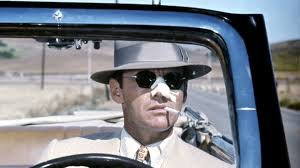
In 1978, Nicholson appeared on television driving the ‘H2-4 Chevy,’ an Impala ingeniously converted to run solely on hydrogen power. This was truly revolutionary for its time, and the potential benefits were compelling. In a clip from CBC, Nicholson boldly predicted that switching to hydrogen could eliminate “58% of the air pollution out of every city in the world,” forecasting significant shifts in both the oil markets and the political landscape.
The technology itself was deceptively simple. A fuel line delivered hydrogen to a modified carburetor, similar to a conventional unit but adapted for hydrogen gas. The exhaust? A harmless mist of steam. While white smoke from a tailpipe usually signals trouble, in Nicholson’s ’78 Impala, it was a sign of clean energy. He even confidently inhaled the steam directly from the tailpipe, demonstrating his belief in the technology.
Hydrogen Today: From Dream to Reality (and Back Again?)
As history unfolded, Nicholson’s vision didn’t immediately materialize. While widespread adoption didn’t occur, hydrogen-powered vehicles are still a reality, particularly for environmentally conscious drivers in California. While converting a classic Chevy Impala remains a cool option, mainstream automakers now offer factory-built hydrogen vehicles.
The Toyota Mirai is a prime example, retailing for $51,795 (plus fees). Like Nicholson’s Impala, it emits only water, making it an appealing choice for eco-minded commuters. With a 402-mile range and an eight-year/100,000-mile warranty, it presents a compelling alternative to electric vehicles.
Challenges Remain
However, the path to hydrogen adoption isn’t without its hurdles. Availability is limited, primarily concentrated in California. The cost remains substantial, and a sparse network of filling stations adds to the inconvenience. Furthermore, the Mirai has experienced significant depreciation, leading to lawsuits from owners who feel misled about its long-term value. The “zero-emissions dream” hasn’t quite lived up to expectations for some.
The Fall of Consumers Solar Electric Power Corp.
Similarly, the story behind Nicholson’s innovative Impala didn’t have a happy ending. The company responsible for the conversion, Consumers Solar Electric Power Corp., promised a bright future, claiming hydrogen cars could be 25-50% cheaper than their gasoline counterparts. They envisioned a network of hydrogen filling stations and the ability to convert any engine to run on the new fuel.
However, the company’s downfall wasn’t due to technological limitations or lack of interest, but rather, scandal. Accusations surfaced of selling over 11 million shares of stock improperly, raising approximately $3.9 million in questionable loans. A settlement with the Securities and Exchange Commission followed in 1981, but the company’s trajectory was irrevocably altered. In 1982, the company’s directors were convicted of mail fraud, including defrauding Jack Nicholson of $150,000.
This unfortunate episode may have cast a shadow over hydrogen technology, potentially hindering further investment. It’s fascinating to consider how different our streets might look today if hydrogen had gained mainstream traction before electric vehicles.
Enjoyed this read? Join our newsletter for the top auto news sent straight to your inbox, and add us as a preferred source on Google!