Electric Vehicle Trends: Ownership, Loyalty, and the Future of Auto
The automotive landscape is undergoing a dramatic shift, and electric vehicles (EVs) are at the forefront of this revolution. However, recent data reveals a fascinating quirk: while hybrids once faced skepticism, a segment of the population now directs that scrutiny towards EVs. As hybrids gain mainstream acceptance, some EV owners are expressing reservations about the technology.
The Hybrid Gateway and EV Loyalty
New data indicates that hybrids continue to serve as a valuable stepping stone towards electrification. EV owners are overwhelmingly likely to purchase another EV when upgrading, but those who revert to gasoline engines are less inclined to choose a hybrid. This shift may be influenced by cost considerations, particularly as Chinese automakers begin to explore the North American market.
Currently, several automakers are evaluating production facilities in Canada, but the commitment level remains uncertain. The situation with Honda’s CEO, whose bet on EVs has faced challenges, also adds a layer of complexity to the industry’s trajectory.
Consumer Return-to-Market Data
Analyzing consumer behavior when returning to the car market provides valuable insights. Overall brand loyalty has seen a slight decline, especially among luxury brands. However, the patterns differ significantly between EV and hybrid owners.
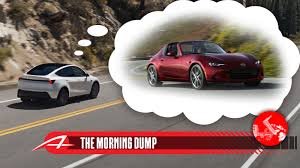
EV owners consistently favor another EV for their next purchase, although there was a slight dip in the second half of 2025. A portion of these buyers transitioned to gasoline-powered vehicles, while around 10% opted for hybrids. This trend may reflect limited EV options in certain vehicle segments, such as minivans or sports cars.
Interestingly, hybrid owners are slightly more likely to switch to an EV than EV owners are to switch to a hybrid. Hybrid loyalty is lower, with fewer than 45% of owners choosing a traditional gasoline vehicle next. This suggests that expanding into underserved market areas could attract returning customers.
Stellantis and Leapmotor: A Case Study
Stellantis’s approach to market entry with Leapmotor, a Chinese automaker, highlights the challenges of navigating subsidies and local production requirements. Leapmotor initially attempted to leverage European subsidies by assembling cars in Poland using knockdown kits – essentially completing the final assembly with components manufactured in China. However, this practice was deemed ineligible for subsidies due to its limited contribution to local job creation.
Stellantis is now exploring a similar approach in Canada, but faces resistance from the Canadian government, which prioritizes supporting the local supply chain. As Bloomberg reports, Canada’s Minister of International Trade, Mary Ng, emphasized the need for local production and favorable conditions for workers.
Honda’s Electrification Gamble and Leadership Concerns
Honda’s ambitious electrification plan in the United States has encountered significant setbacks, resulting in substantial financial losses. This has sparked criticism of CEO Toshihiro Mibe’s leadership, with reports suggesting growing dissatisfaction within the company. Nikkei Gendai details concerns about Mibe’s decision-making and perceived reversals of previous statements.
Nissan and the Tennessee Titans: A Nostalgic Note
Nissan’s new partnership with the Tennessee Titans, including the “Nissan 1960 Club” at the new stadium, evokes mixed emotions for some. For those who remember the Houston Oilers, the Titans’ relocation remains a painful memory.
The Two-Car Household and the Future of EV Adoption
Many households are considering a mixed approach, with one EV and one gasoline or plug-in hybrid vehicle. This strategy addresses concerns about range anxiety and charging infrastructure, particularly for road trips. The ideal scenario for many is an EV for daily commuting and a plug-in hybrid for longer journeys.
As one commenter noted, the long-term vision for many includes EVs, ebikes, and potentially even electric conversions for existing vehicles, contingent on the expansion of charging infrastructure in remote areas.
The Bottom Line
The electric vehicle market is evolving rapidly. While EV owners demonstrate strong loyalty, the need for diverse vehicle options and robust charging infrastructure remains crucial for broader adoption. The interplay between automakers, governments, and consumer preferences will shape the future of electric mobility.