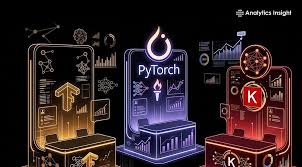
Deep Learning Frameworks: A Guide to PyTorch, TensorFlow, and Keras in 2024
The selection of deep learning frameworks is increasingly indicative of how AI projects are structured, from initial experimentation to full-scale deployment. Today’s hiring landscape prioritizes a candidate’s ability to apply these frameworks to solve tangible business challenges, rather than simply possessing theoretical knowledge. Understanding the unique strengths of each framework is crucial for professionals aiming to thrive in diverse roles across startups, established enterprises, and cutting-edge research environments.
The Evolving AI Job Market
The AI job market is experiencing rapid growth, both globally and particularly in India. Demand for skilled professionals – including machine learning engineers, natural language processing (NLP) specialists, and computer vision experts – is surging. However, a significant skills gap exists, creating a distinct advantage for those who proactively master the right tools, especially deep learning frameworks.
Key Deep Learning Frameworks: A Comparative Overview
PyTorch, TensorFlow, and Keras are the dominant players in the deep learning arena, each serving distinct purposes:
- PyTorch: Primarily favored in research and advanced AI projects. Its intuitive design, especially for Python developers, streamlines model testing and development. Many startups and AI-focused companies actively seek candidates proficient in PyTorch.
- TensorFlow: Developed by Google, TensorFlow excels in large-scale deployments and complex systems. It’s the go-to choice for organizations relying on robust, reliable AI models in production environments. Its strength lies in building and managing large, scalable systems.
- Keras: A user-friendly interface built on top of TensorFlow, Keras simplifies the learning process and facilitates rapid prototyping. It’s an excellent starting point for quickly testing ideas without getting bogged down in technical complexities. While not sufficient on its own, Keras provides a solid foundation in deep learning principles.
Also Read: TensorFlow Official Website and PyTorch Official Website
Shifting Hiring Patterns: Beyond Single Framework Expertise
Companies are increasingly moving away from seeking candidates with expertise in a single framework. The focus is now on individuals who can build, train, and deploy models in real-world applications. Here’s a breakdown of typical preferences:
- Enterprise Roles (Banks, Tech Firms, Consulting): TensorFlow is preferred due to its stability and suitability for production environments.
- Research & AI Startups: PyTorch is favored for its support of rapid experimentation and flexibility.
- Entry-Level Roles & Learning Paths: Keras serves as an accessible entry point for beginners.
The ability to work with multiple frameworks is becoming the norm, highlighting the importance of adaptability over specialization.
PyTorch vs. TensorFlow: A Dynamic Duo
Over the years, both PyTorch and TensorFlow have undergone significant improvements in performance and usability. PyTorch is gaining traction due to its ease of use and widespread adoption in research, including generative AI model development. TensorFlow continues to excel in production environments where system stability is paramount.
In essence, PyTorch is ideal for building and testing innovative ideas, while TensorFlow is the preferred choice for implementing those ideas in real-world applications.
Building a Well-Rounded Skill Set
Relying on a single framework may no longer be sufficient in today’s competitive landscape. Combining Keras with TensorFlow provides a strong understanding of the fundamentals and prepares you for enterprise-level roles. Adding PyTorch to your skillset enhances your appeal for research positions, startups, and advanced AI projects.
While no single framework guarantees employment, a strategic combination significantly increases your chances. TensorFlow remains dominant in corporate settings, PyTorch is crucial for advanced AI work, and Keras provides a solid foundation for all aspiring AI professionals.
The Bottom Line: Practical Application is Key
Ultimately, success in the AI field hinges more on your ability to develop practical solutions than on the specific tools you wield.
Frequently Asked Questions
- Which AI framework is most popular in 2024 hiring trends globally? PyTorch and TensorFlow are the leading frameworks, with Keras supporting learning and prototyping.
- Is learning only one deep learning framework enough for AI jobs? Employers prioritize candidates skilled in multiple tools and real-world AI applications.
- Why do startups prefer PyTorch over other frameworks today? PyTorch enables faster experimentation and offers greater flexibility, making it ideal for innovation.
- How does TensorFlow help in enterprise-level AI roles and systems? TensorFlow supports scalable systems and reliable deployment in production settings.
- What role does Keras play in building AI career foundations today? Keras simplifies learning and helps you grasp the core concepts of deep learning models.
Follow Us: Analytics Insight is an award-winning tech news publication delivering in-depth insights into major technology trends.
Disclaimer: The content on this website is for educational purposes only and does not constitute investment advice. Always conduct your own research or consult with certified experts before making investment decisions.