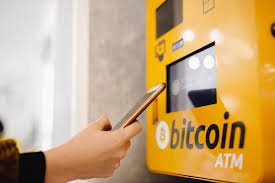
Crypto ATM Ban: Rising Scams and Regulatory Crackdowns
The world of cryptocurrency is facing increased scrutiny, and one area drawing significant attention is the use of crypto ATMs. Lawmakers, law enforcement, and consumer protection agencies are increasingly concerned about the rise of scams facilitated through these kiosks, leading to calls for stricter regulations and even outright bans. This article delves into the growing movement to regulate or eliminate crypto ATMs, exploring the reasons behind it and the potential consequences.
Minnesota Lawmakers Push for a Statewide Ban
In Minnesota, a bipartisan effort is underway to prohibit the operation of virtual currency kiosks. House File 3642, sponsored by Rep. Erin Koegel, recently reached the House Commerce Finance and Policy Committee. This legislation aims to address the escalating number of scams linked to crypto ATMs. Previous regulations, enacted in 2024, required operators to display warnings about the risks of cryptocurrency and imposed transaction limits, but officials say these measures have proven insufficient.
Department of Commerce officials report receiving 70 complaints in the past year, totaling $540,000 in losses. However, they acknowledge that many incidents go unreported. Woodbury Police Det. Lynn Lawrence shared a heartbreaking case of a victim on a fixed income who lost half her monthly earnings to scammers through repeated bitcoin ATM transactions. The department believes that scammers are adept at circumventing existing protections by instructing victims to use accounts in neighboring states.
Nationwide Crackdown on Crypto ATM Operators
Minnesota isn’t alone in its concerns. A similar pattern is emerging across the United States. Massachusetts Attorney General Andrea Joy Campbell recently sued Bitcoin Depot, alleging the operator knowingly facilitated scams resulting in over $10 million in losses for residents. Internal data revealed that scam-related transactions accounted for 13-16% in early 2023, surging to over 50% by late 2023/early 2025.
Maine reached a nearly $2 million settlement with Bitcoin Depot, requiring the removal of all its kiosks from the state. Kansas regulators are investigating a case where a couple lost $20,000 to a scam involving a crypto ATM. West Virginia is also considering legislation to license operators, set transaction limits, and implement fraud protocols after residents reported $7.6 million in losses.
The Rise of Sophisticated Scams
The FBI recorded nearly 11,000 crypto ATM scam complaints in 2024, totaling $247 million, climbing to $333 million in 2025 (and these figures are likely underestimated). Many of these scams involve sophisticated tactics, such as “pig butchering,” where criminals build relationships with victims online before convincing them to invest in fake crypto trading platforms. Asian criminal syndicates are increasingly utilizing forced labor to carry out these scams.
A $13 billion bitcoin dispute between the United States and China is linked to proceeds from these “pig butchering” scams, highlighting the scale of the problem. Blockchain analytics firm Chainalysis reports that illicit activity in cryptocurrency reached a record $154 billion in 2025, a 162% increase from the previous year.
Federal Legislation and Future Outlook
At the federal level, the Digital Asset Market Clarity Act (CLARITY Act) aims to regulate crypto ATMs by treating operators as money transmitters subject to Bank Secrecy Act obligations. The bill would require registration of kiosk locations, mandatory disclosures, identity verification, and other consumer protections. However, disagreements over stablecoin interest rates have stalled its progress in the Senate.
While regulations tighten, some argue that banning crypto ATMs isn’t the solution. Financial privacy advocates contend that these kiosks offer a relatively private way to exchange dollars for cryptocurrency, and the focus should be on prosecuting scammers. Furthermore, decentralized peer-to-peer trading remains an option for those seeking maximum privacy.
The future of crypto ATMs remains uncertain. As scams continue to proliferate and regulatory pressure mounts, it’s likely that we’ll see further restrictions or even outright bans in more states. Consumers should exercise extreme caution when using these kiosks and be aware of the risks involved. You can learn more about cryptocurrency security at Investopedia.