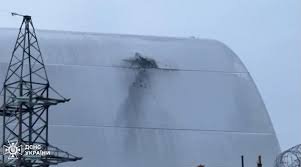
Chernobyl Sarcophagus: A Monument to Resilience and a Warning for the Future
The name Chernobyl evokes images of devastation, a stark reminder of the potential consequences of nuclear accidents. Central to this story is the sarcophagus, and later the New Safe Confinement (NSC), built to contain the remains of Reactor Number 4 after the catastrophic explosion in April 1986. This isn’t just an engineering feat; it’s a testament to human ingenuity in the face of unimaginable disaster, and a continuing challenge for international cooperation.
The Immediate Aftermath and the First Sarcophagus
Following the explosion, a frantic effort began to contain the radioactive debris. The initial response involved dropping sand, boron, lead, and dolomite onto the exposed reactor core to extinguish the fire and absorb radiation. However, a more permanent solution was urgently needed. Construction of the original Chernobyl sarcophagus began just six months after the accident, a remarkable speed considering the extreme radiation levels.
This initial structure, completed in November 1986, was a hastily built concrete and steel shell. While it successfully contained the majority of the radioactive material, it was far from perfect. The sarcophagus was built *around* the destroyed reactor, not to replace it, meaning it was structurally unstable and prone to leaks. It was always intended as a temporary solution, with an estimated lifespan of only 20-30 years. The original design suffered from weaknesses due to the speed of construction and the intense radiation exposure during building.
The Deterioration and the Need for a New Solution
Over the decades, the original sarcophagus began to deteriorate. Cracks appeared in the concrete, and sections of the steel framework corroded. There were concerns about the potential for collapse, which could release significant amounts of radioactive dust into the atmosphere. The structure also offered limited protection from the elements, allowing rainwater to seep in and further destabilize the reactor remains. This deterioration highlighted the urgent need for a more robust and long-lasting containment structure.
The New Safe Confinement: A Technological Marvel
In 2016, after years of planning and international collaboration, the New Safe Confinement (NSC) was slid into place over the original sarcophagus. This massive arch-shaped structure is one of the largest movable land-based structures ever built. It’s designed to last for at least 100 years and provides a completely sealed environment around the damaged reactor.
- Dimensions: The NSC is 150 meters high, 160 meters long, and 260 meters wide.
- Weight: It weighs over 36,000 tonnes – heavier than the Eiffel Tower.
- Functionality: The NSC allows for the safe dismantling of the unstable structures of the original sarcophagus and the retrieval of the nuclear fuel.
The NSC isn’t just a passive shield. It houses specialized equipment for remote dismantling, radiation monitoring, and ventilation. It also allows for future research and potential decommissioning of the reactor. The European Bank for Reconstruction and Development (EBRD) played a crucial role in funding and managing the NSC project. You can find more information about their involvement here.
Challenges and the Future of the Exclusion Zone
While the NSC represents a significant achievement, challenges remain. The dismantling of the original sarcophagus is a complex and dangerous undertaking. The Exclusion Zone itself, a 30-kilometer radius around the plant, remains largely uninhabitable, although wildlife has surprisingly thrived in the absence of human activity. Researchers are studying the long-term effects of radiation on the environment and the potential for future land use.
The Chernobyl disaster serves as a powerful lesson about the risks of nuclear power and the importance of safety protocols. The story of the sarcophagus and the New Safe Confinement is a story of human resilience, international cooperation, and a continuing commitment to mitigating the consequences of one of the worst nuclear accidents in history. The future of the Exclusion Zone is uncertain, but ongoing research and careful management will be crucial to ensuring its long-term safety and sustainability.
For further reading on the Chernobyl disaster and its aftermath, consider exploring resources from the International Atomic Energy Agency (IAEA).