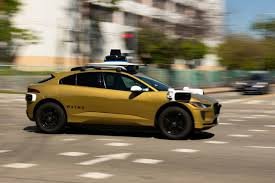
Waymo: Redefining the Future of Autonomous Ride-Hailing
For years, the idea of a car driving itself was the stuff of science fiction. We imagined sleek vehicles navigating city streets while we relaxed in the backseat, reading a book or catching up on emails. Today, that vision is no longer a fantasy—it is a reality thanks to Waymo.
As a leader in autonomous driving technology, Waymo (an Alphabet company) is not just building a car; they are building a completely new ecosystem for urban mobility. But what exactly makes Waymo different from other self-driving experiments, and how is it changing the way we move?
What is Waymo?
Waymo is a pioneer in the field of autonomous driving. Emerging from the Google Self-Driving Car Project, Waymo has evolved into a standalone company dedicated to creating the Waymo Driver—an integrated system of hardware and software that allows a vehicle to operate safely without a human behind the wheel.
Unlike some competitors who focus on “assisted driving,” Waymo aims for full autonomy, providing a commercial ride-hailing service that is already operational in several major U.S. cities.
How the Waymo Driver Works
The magic of Waymo lies in its sophisticated sensor suite and artificial intelligence. To navigate complex city environments, the Waymo Driver relies on a combination of:
- n
- LiDAR: Light Detection and Ranging sensors that create a detailed 3D map of the surroundings in real-time.
- Cameras: High-resolution cameras that identify traffic lights, pedestrians, and road signs.
- Radar: Used to detect the speed and distance of other moving objects, even in poor weather conditions.
- Machine Learning: Advanced AI that processes billions of miles of simulated and real-world driving data to make split-second safety decisions.
The Benefits of Autonomous Mobility
The shift toward autonomous ride-hailing isn’t just about novelty; it’s about solving real-world problems. By removing the human element from the driver’s seat, Waymo aims to deliver several key advantages:
1. Enhanced Safety
Human error is the leading cause of traffic accidents. Waymo’s AI doesn’t get tired, distracted, or impaired, significantly reducing the risk of collisions.
2. Accessibility and Inclusion
Autonomous vehicles provide unprecedented independence for the elderly, the visually impaired, and people with disabilities who cannot drive traditional vehicles.
3. Optimized Traffic Flow
With vehicles communicating and navigating via optimized algorithms, the potential for reduced congestion in smart cities is immense.
Where Can You Ride Waymo?
Waymo has successfully scaled its operations from testing grounds to the real world. Currently, you can experience the Waymo One service in cities such as Phoenix, San Francisco, and Los Angeles, with plans to expand further across the United States.
The Road Ahead: Challenges and Future
Despite the impressive progress, the journey to global adoption isn’t without hurdles. Regulatory frameworks, public trust, and the technical challenge of “edge cases” (extremely rare road scenarios) remain key focus areas for the company.
However, as we see more integration of AI in our daily lives, the transition to autonomous transport seems inevitable. Waymo is not just leading the race; they are defining the rules of the road for the next generation of transportation.
Want to stay updated on the latest in AI and robotics? Check out the latest insights on TechCrunch Transportation for more industry news.