
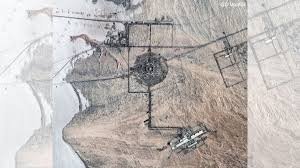
Unlocking the Secrets of Missile Launch Facilities: Engineering and Strategic Defence
When we think of global security and strategic deterrence, the image of a missile launch facility often comes to mind. These complex installations are far more than just “launch pads”; they are masterpieces of engineering designed to withstand extreme conditions and ensure precise delivery of payloads across continents.
In this article, we dive deep into the different types of missile launch facilities, the technology that powers them, and their role in modern geopolitical stability.
What Exactly is a Missile Launch Facility?
A missile launch facility is a specialized infrastructure designed to house, maintain, and launch missiles. Depending on the objective—whether it be tactical short-range strikes or strategic intercontinental deterrence—these facilities vary wildly in design and location.
The Three Primary Types of Launch Platforms
To maintain a flexible and resilient defence posture, nations utilize different types of launch facilities:
- n
- Hardened Silos: These are vertical underground cylinders reinforced with concrete and steel. Silos are designed to protect missiles from near-miss nuclear strikes, ensuring that a retaliatory strike remains possible. They are the backbone of ICBM (Intercontinental Ballistic Missile) strategies.
- Mobile Launchers: Also known as TELs (Transporter Erector Launchers), these facilities are essentially massive trucks or railcars. Their primary advantage is stealth; by moving constantly, they become much harder for adversaries to track and target.
- Submarine-Launched Platforms: While not a “facility” in the traditional land-based sense, submarines act as mobile, underwater launch facilities. These provide the highest level of survivability and stealth in the global strategic triad.
The Engineering Behind the Launch
Building a missile launch facility requires solving immense technical challenges. For land-based silos, engineers must account for shock absorption and environmental sealing to protect sensitive electronics from humidity and dust.
The launch process itself is a choreographed sequence of events:
- Authentication: Strict security protocols and encrypted codes are used to authorize a launch.
- Fueling and Arming: Depending on the propellant (solid or liquid), the missile is prepared for flight.
- Ejection: Many silo-based missiles use “cold launch” technology, where a gas generator pushes the missile out of the silo before the main engine ignites in mid-air.
The Strategic Role: Deterrence and Stability
The existence of these facilities is often rooted in the theory of Mutual Assured Destruction (MAD). The goal is not necessarily to use the facility, but to ensure the adversary knows that a launch is possible and inevitable if attacked. This creates a delicate balance of power that has shaped international relations for decades.
For more information on how modern defence systems evolve, you can explore the latest insights on Defense News, a leading source for military technology and strategy.
Final Thoughts
Missile launch facilities represent the intersection of extreme engineering and high-stakes politics. While they are symbols of conflict, their primary purpose in the modern era is often to prevent it through the sheer scale of strategic readiness.



