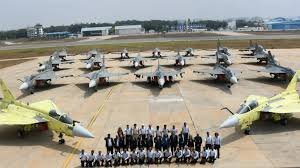
The Evolution of the Tejas: A New Era in Aviation Technology
In the rapidly evolving landscape of global defense, the Tejas Light Combat Aircraft (LCA) stands as a testament to human ingenuity and persistence. More than just a machine, the Tejas represents a leap forward in aerospace engineering, blending agility, power, and cutting-edge technology to dominate the skies.
Whether you are an aviation enthusiast or a tech professional, understanding the impact of the Tejas project provides a glimpse into the future of military aviation and the complex engineering required to build a multi-role fighter jet from the ground up.
Key Technical Innovations of the Tejas
The success of the Tejas is not accidental; it is the result of meticulous design and the integration of advanced materials. Here are some of the core features that make this aircraft a game-changer:
- Composite Materials: To reduce weight and increase strength, the Tejas utilizes advanced carbon-fiber composites, ensuring maximum fuel efficiency and agility.
- Digital Fly-By-Wire System: This ensures exceptional stability and control, allowing pilots to execute complex maneuvers with precision.
- Multi-Role Capability: Designed for versatility, it can handle air-to-air combat, air-to-surface attacks, and reconnaissance missions.
The Human Element: Engineering Excellence
Behind every bolt and line of code in the Tejas project are thousands of dedicated professionals. Engineers like Chandresh and countless other specialists have spent decades refining the aerodynamics and avionics of the aircraft. This level of commitment highlights the importance of STEM education and specialized training in pushing the boundaries of what is possible in aerospace technology.
The collaboration between design teams and test pilots has ensured that the Tejas is not only powerful but also safe and reliable in the most demanding environments.
Why the Tejas Matters for Global Defense
The development of the Tejas is a significant milestone for indigenous defense production. By reducing reliance on foreign imports, nations can customize their defense strategies to better fit their unique geographical and political needs. Furthermore, the lessons learned from the Tejas program are now being applied to next-generation stealth aircraft and unmanned aerial vehicles (UAVs).
Summary of the Tejas Impact
| Feature | Impact |
|---|---|
| Agility | Superior dogfighting capabilities. |
| Innovation | Pioneering use of lightweight composites. |
| Autonomy | Increased strategic independence in defense. |
As we look toward the future, the legacy of the Tejas will continue to inspire new generations of engineers and pilots to strive for excellence in the skies.