The Invisible Highways of the Sky: A Complete Guide to Airport Taxiways
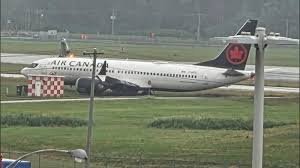
Understanding the Essentials of Airport Taxiways
When we think about aviation, our minds immediately jump to the thrill of takeoff and the serenity of cruising at 30,000 feet. However, one of the most critical yet overlooked parts of any flight is the journey between the terminal gate and the runway. This is where the taxiway comes into play.
A taxiway is essentially the “road” of the airport. It is a paved path designed specifically for aircraft to move safely and efficiently around the airfield without interfering with the high-speed operations of the runways.
Taxiway vs. Runway: What is the Difference?
To the untrained eye, they might look like the same stretch of asphalt, but their purposes are entirely different:
- Runways: These are designed for the high-impact and high-speed activities of takeoff and landing. They are typically longer, wider, and reinforced to handle extreme pressure.
- Taxiways: These are used for low-speed transit. They connect runways to aprons, hangars, and terminals, ensuring that the runway remains clear for active departures and arrivals.
Decoding Taxiway Markings and Lighting
Precision is everything in aviation. To prevent costly errors or “runway incursions,” taxiways use a standardized system of visual cues. According to the International Civil Aviation Organization (ICAO), these markings ensure global consistency in safety.
Here are some of the key markings you’ll notice:
- Centerlines: A continuous yellow line that pilots must keep centered under the nose gear of the aircraft.
- Hold Short Lines: Two solid and two dashed yellow lines that indicate a pilot must stop and wait for clearance from Air Traffic Control (ATC) before crossing onto a runway.
- Edge Markings: Double yellow lines that define the boundary of the taxiway pavement.
The Role of Ground Control in Taxiway Management
Navigating a busy international airport is like driving through a congested city, but with much larger vehicles and zero room for error. This is why Ground Control is vital. Pilots do not simply “drive” to the runway; they are given a specific sequence of taxiways to follow (e.g., “Taxi to Runway 24 via Alpha, Bravo, and Delta”).
Modern airports are now integrating advanced surface movement guidance and control systems (A-SMGCS) to monitor aircraft positions in real-time, reducing the risk of collisions during low-visibility conditions such as heavy fog or snow.
Why Taxiway Efficiency Matters
Optimizing the flow of taxiways isn’t just about safety—it’s also about sustainability and economy. Long taxi times lead to increased fuel consumption and higher CO2 emissions. By designing smarter taxiway layouts and implementing “rapid exit taxiways,” airports can clear runways faster, increasing the number of flights per hour and reducing the environmental footprint of each journey.
The next time you are sitting in a plane, watching the airport landscape glide by, remember that the taxiway is the unsung hero of your journey, ensuring you get from the gate to the clouds safely and efficiently.
📰 You May Also Like