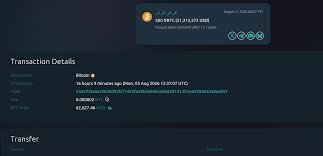
A Sleeping Giant Awakes: Millions in BTC on the Move
In the world of cryptocurrency, there is nothing quite as mysterious as a “sleeping” bitcoin wallet. For over a decade, some addresses remain untouched, acting as digital time capsules. However, this week, the silence was broken. A wallet labeled 18TExP, which had been dormant since 2013, suddenly sprang to life, transferring 500 BTC—now valued at approximately $31.3 million.
When these coins last moved 12.7 years ago, they were worth a mere $500,000. While the movement of old coins can happen for many reasons, the timing of this specific transaction has sent ripples through the crypto community.
The Coldcard Crisis: A Trigger for Security Migration
This sudden activity isn’t an isolated incident. A wave of long-dormant wallets has reactivated in a narrow window, coinciding with a significant security crisis surrounding Coldcard, a popular Bitcoin-only hardware wallet.
Reports indicate that attackers have exploited a flaw dating back to March 2021, draining thousands of BTC from wallets generated by Coldcard. According to researchers at Galaxy, the total damages are estimated at roughly $130 million.
Why the Timing Matters
Blockchain sleuths, including Lookonchain, suggest that the movement of the 500 BTC is likely a proactive security measure. As confidence in certain self-custody solutions wavers, holders of “legacy” coins are migrating their funds to newer, more secure environments to avoid becoming the next victim of the exploit.
Decoding the On-Chain Data
Data from CryptoQuant reveals a startling spike in the movement of coins that had been inactive for years:
- n
- 10+ Year Dormancy: Approximately 935 BTC moved on August 3, the highest single-day total since March.
- 5 to 7 Year Dormancy: A massive spike occurred on July 31, with roughly 6,388 BTC shifting addresses.
While estate transfers or exchange consolidations often explain old coin movements, the clustering of these events immediately following the Coldcard incident strongly suggests a security-driven migration.
How to Keep Your Bitcoin Wallet Secure
This incident serves as a stark reminder that no bitcoin wallet is entirely immune to risk. Whether you use a hardware wallet or a software solution, maintaining security is a continuous process. Experts recommend:
- n
- Regularly updating firmware: Ensure your hardware wallet is running the latest, patched version.
- Diversifying storage: Avoid keeping all your assets in a single wallet provider.
- Using Multi-Sig: For large amounts of BTC, consider multi-signature wallets to eliminate a single point of failure.
As the market evolves, the priority for every investor should be the safety of their private keys. In a landscape where $130 million can vanish due to a legacy flaw, vigilance is the only true protection.