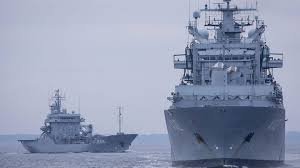
The Evolution of the Warship: From Dreadnoughts to Stealth Giants
For centuries, the mastery of the seas has been the ultimate symbol of global power. The concept of the warship (or navire de guerre) has evolved from simple wooden galleys to floating cities of steel and silicon. Today, naval warfare is no longer just about the size of the cannons, but about invisibility, precision, and technological superiority.
The Dawn of Naval Power: From Wood to Iron
In the early days of maritime conflict, warships relied on wind and rowing. However, the mid-19th century marked a pivotal shift with the introduction of ironclads. These vessels replaced wooden hulls with iron plating, rendering traditional cannons nearly obsolete. This era culminated in the launch of HMS Dreadnought in 1906, a ship so revolutionary that it made all previous warships redundant, ushering in the age of the “all-big-gun” battleship.
Modern Marvels: The Shift to Stealth and Nuclear Power
Following World War II, the focus of naval engineering shifted. The sheer size of battleships was replaced by the versatility of aircraft carriers and the invisibility of submarines. Modern warships now integrate advanced stealth technology, using angled surfaces and radar-absorbent materials to minimize their electronic signature on enemy screens.
Key Types of Modern Warships
- Aircraft Carriers: The centerpieces of naval power, acting as mobile airbases.
- Destroyers: Fast, maneuverable, and equipped with multi-mission capabilities to protect fleets from air and underwater threats.
- Frigates: Specialized in anti-submarine warfare and escort duties.
- Nuclear Submarines: The silent hunters of the deep, capable of remaining submerged for months.
The Role of Technology in 21st Century Naval Warfare
Today’s navires de guerre are defined by their combat systems rather than their armor. Systems like the Aegis Combat System allow ships to track and engage hundreds of targets simultaneously. Furthermore, the integration of unmanned aerial vehicles (UAVs) and autonomous underwater vehicles (AUVs) is redefining how navies project power across the oceans.
For those interested in the strategic layout of modern fleets, the Encyclopaedia Britannica provides an in-depth look at the technical specifications that separate a corvette from a cruiser.
Conclusion: The Future of the Seas
As we move further into the digital age, the warship continues to adapt. From laser weaponry to AI-driven navigation, the future of naval warfare will be determined by who can process information the fastest and remain undetected the longest. The legacy of the warship remains a testament to human ingenuity and the eternal struggle for maritime dominance.