A Historic Milestone in Space Exploration
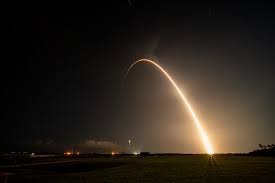
The dawn of July 2nd marked more than just a successful mission; it signaled the closing of a monumental chapter in aerospace history. United Launch Alliance (ULA) successfully executed the final flight of the Atlas V rocket in its 551 configuration, deploying 29 cutting-edge satellites for the Amazon Leo constellation.
Launching from the Cape Canaveral Space Force Station, the mission—known as Leo Atlas 8 (LA-08)—saw the massive 205-foot rocket soar into a north-easterly trajectory, precisely placing Amazon’s broadband internet satellites into orbit. This mission represents the pinnacle of a legacy of reliability and precision.
The Legacy of the Atlas V 551
The Atlas V has been a workhorse for the United States, providing unparalleled access to space. The specific 551 configuration—defined by its five-meter fairing, five solid rocket boosters, and a single Centaur upper stage engine—has a storied history. From launching NASA’s New Horizons mission to Pluto in 2006 to this final Amazon mission, the Atlas V has been indispensable.
For Amazon Leo, the partnership with ULA has been flawless. To date, the Atlas V has launched 224 satellites for the project with a 100 percent success rate across eight missions. This foundation of success is critical as Amazon pushes toward global connectivity.
Looking Ahead: The Transition to Vulcan
While the 551 configuration retires, ULA is not slowing down. The company is aggressively transitioning to the Vulcan rocket, the next generation of heavy-lift launch vehicles. According to Melissa Wuerl, Amazon Leo Director of Launch Systems, the path is clear: with a dedicated vertical integration facility and hundreds of satellites ready, the cadence of deployment is set to increase.
- n
- Upcoming Milestone: The first Amazon Leo flight on a Vulcan rocket is anticipated for the third quarter of 2026.
- Remaining Atlas V Flights: Only six Atlas V rockets remain, all reserved for Boeing’s CST-100 Starliner missions in the N22 configuration.
Amazon Leo’s Global Ambitions
Amazon is employing a diversified launch strategy to ensure its satellite constellation reaches full operational capacity. In addition to ULA, Amazon has partnered with SpaceX (Falcon 9) and Arianespace (Ariane 6), while also securing future slots with Blue Origin’s New Glenn.
The goal is clear: provide high-speed, low-latency broadband internet to underserved regions worldwide. The impact is already being felt in the corporate sector. For instance, Hitachi Construction Machinery has already signed a deal to deploy Amazon Leo antennas at construction sites in the UK and Germany starting in 2026, enabling real-time maintenance alerts and digital workflows in remote fields.
Conclusion: A New Frontier of Connectivity
With 396 satellites now in low Earth orbit, Amazon Leo is racing toward an initial service rollout later this year. The final Atlas V rocket launch in the 551 configuration is not just a goodbye to a legendary vehicle, but a gateway to a future where high-speed internet is a global reality, powered by the next generation of rocket technology.