
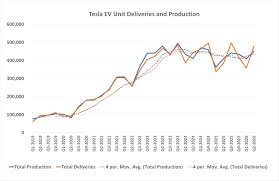
Tesla: Redefining the Future of Sustainable Transport
In a world increasingly conscious of its environmental footprint, Tesla has emerged not just as a car manufacturer, but as a catalyst for a global energy revolution. From the early days of the Roadster to the mass-market success of the Model 3 and Model Y, Tesla has shifted the perception of electric vehicles (EVs) from niche novelties to symbols of luxury, performance, and sustainability.
More Than Just a Car Company
While most people associate Tesla with sleek electric cars, the company’s core mission is broader: to accelerate the world’s transition to sustainable energy. This vision extends far beyond the highway. Tesla is building a comprehensive ecosystem that includes:
- n
- Solar Energy: Providing clean energy generation through high-efficiency solar panels and solar roof tiles.
- Energy Storage: The Powerwall and Megapack allow homes and utilities to store energy for use during peaks or outages, reducing reliance on fossil-fuel grids.
- Supercharger Network: Solving the “range anxiety” problem by creating a seamless, global charging infrastructure.
The Driving Force: AI and Autopilot
What truly sets Tesla apart from traditional automotive giants is its approach to software. Tesla views its vehicles as “computers on wheels.” Through over-the-air (OTA) updates, a Tesla can gain new features, improve its efficiency, or enhance its safety protocols overnight without the owner ever visiting a service centre.
The development of Full Self-Driving (FSD) and Autopilot technology represents the frontier of artificial intelligence in transport. By leveraging massive amounts of real-world data, Tesla is pushing toward a future where traffic accidents are minimized and urban mobility is optimized.
Tesla’s Impact in the Canadian Market
For Canadians, the transition to electric mobility is particularly significant. With the diverse climate and vast distances of Canada, Tesla has proven that EVs can handle harsh winters and long-haul trips. The expansion of charging stations across provinces from British Columbia to Quebec has made owning a Tesla a practical choice for the average Canadian driver.
Why Tesla Continues to Lead the EV Race:
- Vertical Integration: Tesla controls much of its supply chain, from battery production to direct-to-consumer sales.
- Brand Ecosystem: The synergy between energy generation, storage, and transportation creates a “green loop.”
- Constant Innovation: A culture of rapid iteration ensures they stay ahead of legacy automakers.
Looking Ahead: The Road to 2030
As the world moves toward stricter emissions regulations, the influence of Tesla is evident in the strategies of every major car brand. According to the International Energy Agency (IEA), the shift toward electric mobility is accelerating globally, and Tesla remains the gold standard for efficiency and desirability.
Whether it’s through the Cybertruck’s unconventional design or the promise of a more affordable next-generation platform, Tesla continues to challenge the status quo, proving that sustainability does not have to come at the expense of excitement or performance.



