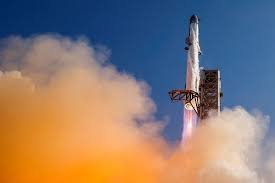
The Next Giant Leap: SpaceX Starship Eyes Its First Orbital Flight
For the residents of the Texas coastline, the earth-shaking roar of the most powerful rocket ever built has become a familiar soundtrack. Since 2023, SpaceX’s Starship has taken flight 13 times, with a trial-and-error approach that saw nearly half of those attempts end in spectacular explosions. However, the stakes are now reaching a fever pitch.
SpaceX is preparing to move beyond suborbital “hops” and attempt its first true orbital launch. This mission isn’t just about reaching a higher altitude; it’s about deploying a new generation of Starlink satellites and proving that Starship is ready for full-scale operations.
Why This Flight is a Game-Changer
Until now, Starship has operated on a “passively safe suborbital trajectory.” In simple terms, if the spacecraft lost control, physics would naturally drag it back down to a predetermined splashdown zone. That safety net is now gone.
To reach orbit, Starship must travel at incredible speeds and precise trajectories. If something goes wrong at orbital velocity, the vehicle won’t just fall back to Earth—it becomes a high-speed object in free fall around the planet, posing a significant risk to other active satellites and the International Space Station (ISS).
The Bold Vision: From AI to Mars
The successful operation of Starship would trigger a seismic shift in the space industry. Elon Musk’s ambitions for the vehicle extend far beyond satellite deployment:
- n
- AI-Powered Data Centres: Starship aims to launch orbital data centres to support energy-intensive AI models.
- Returning to the Moon: Through a multibillion-dollar contract with NASA, Starship is slated to carry astronauts back to the lunar surface.
- The Mars Dream: The ultimate goal remains the creation of a self-sustaining human city on the Red Planet.
Engineering the “Holy Grail” of Rocketry
The true revolution lies in full reusability. Currently, most rockets are discarded after use. SpaceX is chasing the “holy grail”: a system where both the Super Heavy booster and the Starship spacecraft can be recaptured and reflown repeatedly.
However, the path to reusability is riddled with challenges:
1. The Heat Shield Battle
Re-entering the atmosphere from orbit subjects the ship to temperatures exceeding 2,500 degrees Fahrenheit. Engineers are meticulously refining the heat-resistant tiles to prevent the charring seen in previous tests, which could compromise the ship’s structural integrity.
2. Orbital Refueling
To reach the Moon or Mars, Starship must be refueled in space. This requires transferring super-chilled propellants at temperatures below -260°F—a feat never before accomplished in the history of spaceflight.
3. Booster Reliability
Recent tweaks to the Super Heavy booster’s software and hardware aim to ensure all engines relight perfectly for a controlled landing, paving the way for the rocket to be caught by the launch tower’s mechanical arms.
Impact on Earth and the Industry
While the world looks up in awe, the impact on the ground is tangible. From sonic booms in Texas to proposed massive launch complexes in Louisiana, SpaceX is expanding its footprint. Musk envisions a future where Starships launch once an hour, fundamentally lowering the cost of accessing space.
This transition may also signal the end of the Falcon 9 era. As Starship takes over, the industry may face a temporary bottleneck in launch capacity, potentially driving up prices for commercial payloads in the short term.
Whether Starship becomes the vessel that takes humanity to the stars or remains a daring experiment, one thing is certain: SpaceX continues to rewrite the rules of aerospace engineering, turning yesterday’s skepticism into today’s reality.