SpaceX Ignites Another Milestone: 24 New Starlink Satellites Heading to Orbit
The race to global connectivity is accelerating. SpaceX is once again preparing for a high-stakes SpaceX launch, counting down to a Wednesday evening mission from the West Coast. The objective? Deploying an additional 24 satellites to enhance the ever-growing Starlink internet constellation.
Mission Details: Starlink 17-45
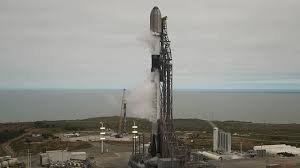
Scheduled for liftoff from Space Launch Complex 4E at Vandenberg Space Force Base in California, the Starlink 17-45 mission is set to ignite at 8:30 p.m. PDT. For space enthusiasts and tech followers, this mission represents more than just a routine flight; it’s a testament to the efficiency of modern aerospace engineering.
Here are the technical highlights of the mission:
- n
- Payload: 24 Starlink V2 Mini satellites.
- Launch Vehicle: The reliable Falcon 9 rocket.
- Booster: First stage B1081, marking its impressive 25th flight.
- Recovery: The booster is expected to touch down on the drone ship ‘Of Course I Still Love You’ approximately 8.5 minutes after launch.
A Strategic Pivot: Vandenberg vs. Cape Canaveral
In a fascinating shift of operational strategy, 2026 has seen California’s Vandenberg base become the true “workhorse” for SpaceX. While the company continues to operate in Florida, there is a clear move to prioritize Starship operations at Cape Canaveral.
To minimize interruptions during the construction of the first East Coast Starship facility at Launch Complex 39A, SpaceX is dedicating that site specifically to Falcon Heavy missions. Meanwhile, Falcon 9 launches are concentrated at Space Launch Complex 40. This strategic reallocation even extends to their fleet; the drone ship ‘Just Read the Instructions’ has been repurposed to transport Starship components from Starbase to Florida.
Unprecedented Turnaround Speed
What truly sets this SpaceX launch cadence apart is the sheer speed of operations. Recent data shows that the turnaround time at Space Launch Complex 4E has reached a staggering 56 hours between flights. This efficiency is so extreme that boosters from previous missions are sometimes still visible at the landing zone before the next rocket ascends.
If current trends hold, SpaceX will have completed more missions from Vandenberg (40) than from Cape Canaveral (37) in the first half of 2026, signaling a new era in how the company manages its orbital logistics.
For those who want to follow the journey in real-time, you can track official updates via the official SpaceX website or keep an eye on live coverage from aerospace specialists.