Shandong: Pioneering China’s Green Energy Revolution Towards Carbon Neutrality
In a world increasingly focused on sustainable development and mitigating climate change, China has set ambitious targets: reaching peak carbon dioxide emissions before 2030 and achieving carbon neutrality by 2060. While these goals are monumental, one coastal province is emerging as a dynamic force in their realization: Shandong. With a proactive strategy and a wealth of natural advantages, Shandong is rapidly transforming its energy landscape, becoming a beacon of green innovation.
Shandong, located on China’s eastern coast, is harnessing its unique topography – vast coastlines, saline-alkali tidal flats, and even former coal mining areas – to build an impressive non-fossil energy infrastructure. This concerted effort is not just about meeting national targets; it’s about pioneering new methods of clean energy generation and fostering a robust green industry.
Shandong’s Strategic Position in China’s Green Push
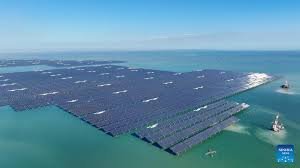
The province’s coastal areas are proving to be fertile ground for renewable energy projects. From Dongying City to Qingdao and Yantai, the horizon is being redefined by large-scale offshore photovoltaic (PV) installations and wind farms. These projects are not merely experimental; they are operational, contributing significant amounts of clean electricity to the grid. For instance, aerial views captured in Dongying and Qingdao reveal expansive offshore PV projects, transforming vast stretches of water into energy-generating hubs. These installations demonstrate Shandong’s commitment to utilizing every available resource for sustainable power generation.
The innovation extends to integrated solutions, such as the impressive 240-megawatt photovoltaic power generation project in Dongying, which stands as a testament to the province’s capacity for large-scale renewable deployment. Such initiatives are crucial steps in reducing reliance on fossil fuels and transitioning towards a cleaner energy mix.
Innovative Solutions: Beyond the Coastline
Shandong’s ingenuity isn’t confined to its coastline. The province is also developing ground-breaking projects in less conventional locations:
- Saline-Alkali Tidal Areas: Plans are underway for integrated wind and solar power storage and transmission projects in these challenging environments, showcasing a commitment to maximizing resource utilization.
- Coal Mining Subsidence Areas: In regions like Tengzhou City, former coal mining subsidence areas are being repurposed for clean energy bases, primarily utilizing photovoltaic power. A prime example is the “fishery and photovoltaic complementary” project, where solar panels float above fish farms, creating a symbiotic relationship that maximizes land use and economic output.
- Rooftop PV Installations: Even public buildings, such as the People’s Hospital in Yantai, are embracing zero-carbon photovoltaic installations, integrating sustainable energy directly into community infrastructure.
These diverse projects highlight Shandong’s holistic approach to renewable energy, proving that clean power can be generated across various landscapes and integrated into different sectors of the economy.
Fueling the Future: The Energy Equipment Industry
Beyond generating clean electricity, Shandong is also a crucial player in the manufacturing heart of the green energy sector. The province is actively fostering the energy equipment industry, creating an ecosystem where innovation thrives. In Huimin County, for example, the wind power equipment manufacturing industrial park is a hub of activity. Workers meticulously paint hubs and prepare blades for wind power generators, showcasing the skilled labor and advanced manufacturing capabilities that underpin Shandong’s renewable energy ambitions.
This focus on local manufacturing not only supports the province’s own energy transformation but also contributes significantly to the broader national and international supply chains for clean energy technologies. By building robust industrial parks and nurturing skilled workforces, Shandong ensures sustainable growth for both its energy structure and its economy.
A Blueprint for a Sustainable Future
Shandong’s efforts are a critical component of China’s broader commitment to climate action. The province’s multi-faceted strategy—leveraging geographical advantages, developing innovative land and sea-based projects, and fostering a strong energy equipment industry—serves as a powerful model for other regions aspiring to transition to clean energy.
The ongoing investments in renewable energy infrastructure, from offshore floating PV platforms in Yantai to land-based solar farms in Linyi, underscore a profound and irreversible shift. As the world watches China’s progress towards its 2030 and 2060 climate goals, Shandong stands out as a leading example of how regional innovation and strategic planning can drive national and global environmental objectives forward.
To learn more about China’s climate commitments, visit the United Nations Sustainable Development Goals website. For a deeper dive into global solar energy trends, explore the International Renewable Energy Agency (IRENA) resources.