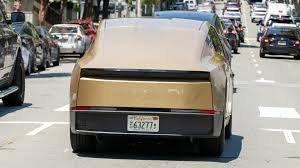
The Rise of the Robotaxi: Redefining How We Move in Cities
Imagine stepping onto a sidewalk, summoning a vehicle via an app, and watching a sleek car glide to a stop—without a driver behind the wheel. This is no longer a scene from a science fiction movie; it is the reality of the Robotaxi. As artificial intelligence and sensor technology evolve, autonomous ride-hailing is poised to disrupt the global transportation industry.
What Exactly is a Robotaxi?
A Robotaxi is an autonomous vehicle (AV) designed to operate as a taxi or ride-sharing service without a human driver. Unlike personal autonomous cars, Robotaxis are intended to be part of a managed fleet, optimizing city traffic and reducing the need for private car ownership.
These vehicles rely on a complex stack of technologies, including:
- n
- LiDAR (Light Detection and Ranging): Laser-based sensors that create a 3D map of the surroundings.
- Computer Vision: High-resolution cameras and AI that recognize traffic signs, pedestrians, and obstacles.
- Machine Learning: Algorithms that allow the car to “learn” from millions of miles of driving data.
- V2X Communication: Vehicle-to-Everything technology that allows cars to talk to traffic lights and other vehicles.
The Titans of the Industry: Who is Leading the Race?
Several tech giants and automotive pioneers are fighting for dominance in the autonomous ride-hailing space. The competition is fierce, and the strategies vary:
1. Waymo (Alphabet)
Widely considered the gold standard in autonomy, Waymo has already deployed commercial services in several US cities. Their approach focuses on high-precision mapping and a heavy reliance on LiDAR for maximum safety.
2. Tesla
With the announcement of the “Cybercab,” Elon Musk is pushing for a vision of a fully autonomous network. Unlike Waymo, Tesla relies primarily on “Vision” (cameras) and neural networks, aiming for a scalable system that doesn’t require expensive LiDAR sensors.
3. Cruise (GM)
Despite some regulatory setbacks, Cruise continues to iterate on its technology, focusing on dense urban environments where navigating tight corners and erratic pedestrian behavior is a primary challenge.
The Benefits: Why Robotaxis Matter
The shift toward a Robotaxi ecosystem isn’t just about the “cool factor.” It promises significant societal improvements:
- Increased Safety: By removing human error—the cause of over 90% of traffic accidents—autonomous fleets could save thousands of lives.
- Lower Costs: Without the need to pay a human driver, the cost per mile for ride-hailing could drop significantly, making transport more accessible.
- Reduced Congestion: Optimized routing and the elimination of the need for parking spaces in city centers could reclaim urban land for parks and housing.
- Accessibility: Robotaxis provide unprecedented mobility for the elderly and people with disabilities.
Challenges on the Road to Mass Adoption
Despite the potential, the road to a world full of Robotaxis is not without potholes. Key hurdles include:
- Regulation and Law: Who is liable in the event of an accident? Governments are still struggling to create legal frameworks for driverless cars.
- Edge Cases: Handling extreme weather (heavy snow) or unpredictable human behavior remains a technical challenge.
- Public Trust: Convincing the general public to enter a vehicle with no steering wheel requires a proven track record of flawless safety.
Final Thoughts: The New Era of Transport
The Robotaxi represents more than just a new way to get from point A to point B; it is a fundamental shift in urban planning and economics. As we move toward a “Transport-as-a-Service” (TaaS) model, the concept of owning a car may soon become obsolete.
For more insights into the evolution of AI in transport, check out the latest research on TechCrunch to stay updated on the latest autonomous vehicle breakthroughs.