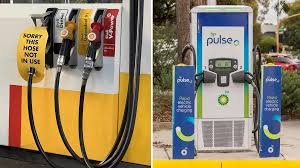
The Myth of the “Best of Both Worlds”
For years, Plug-in Hybrid Electric Vehicles (PHEVs) have been marketed as the ultimate compromise—a “stepping stone” for drivers hesitant to dive headfirst into the world of full electrification. By combining a petrol engine with a battery, PHEVs promised the flexibility of traditional fuel with the eco-friendly appeal of electric driving.
However, Polestar, the vanguard of electric performance, isn’t buying into the hype. The brand is taking a bold stand, arguing that as Electric Vehicles (EVs) evolve, the relevance of hybrids is rapidly vanishing.
Why Polestar Calls PHEVs the “Worst of Both Worlds”
According to Scott Maynard, Managing Director of Polestar, the internal logic of a plug-in hybrid is fundamentally flawed. Instead of offering the best of both technologies, Maynard suggests they inherit the weaknesses of both. Here is why:
- n
- Mechanical Complexity: PHEVs require both a complete electric drivetrain and a traditional internal combustion engine. This duality creates an overly complex machine.
- Increased Maintenance: With two different power systems running the show, owners face higher maintenance requirements, as each system needs independent servicing.
- Weight Penalties: Carrying both a fuel tank and a heavy battery pack increases the vehicle’s overall mass, which can negatively impact efficiency and handling.
- The “Charging Gap”: Many PHEV owners rarely plug in their vehicles, essentially driving a heavy petrol car and defeating the purpose of zero-emission technology.
The Shift Toward Pure Electric Performance
Polestar believes the era of the “transition vehicle” is over. The capabilities of modern Polestar models and other high-end EVs have reached a tipping point where the petrol engine is no longer a necessary safety net.
Today’s pure EVs offer several undeniable advantages over their hybrid counterparts:
- Impressive Range: Many new models now push well beyond the 500-kilometre mark on a single charge, eliminating most forms of “range anxiety.”
- Economic Efficiency: Pure EVs are generally more economical to run and cheaper to maintain due to having significantly fewer moving parts.
- True Zero Emissions: Unlike PHEVs, which still rely on fossil fuels for long distances, BEVs (Battery Electric Vehicles) provide a truly sustainable path forward.
Overcoming the Infrastructure Hurdle
While Polestar is confident in the product, they acknowledge that the hardware is only half the battle. For the world to fully transition, the EV charging infrastructure must keep pace with vehicle sales.
The growth of private investment and government support is crucial. As more fast-charging networks appear across the landscape—similar to the initiatives seen by Natural Resources Canada—the need for a backup petrol engine becomes entirely redundant.
Conclusion: The Future is Pure
The narrative is shifting. What was once seen as a convenient middle ground is now being viewed as an unnecessary complication. For Polestar, the goal is clear: a streamlined, efficient, and high-performance future where the only thing you plug into is the grid. The hybrid era may have served its purpose, but the electric revolution is here to stay.