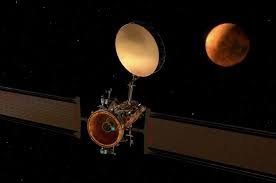
The Allure of the Red Planet: Why Mars?
For decades, Mars has captured the human imagination. From science fiction novels to cinematic masterpieces, the Red Planet represents the final frontier of human curiosity and the potential for a multi-planetary existence. But beyond the fantasy, why is the scientific community so obsessed with Mars?
Mars is the most Earth-like planet in our solar system. With a tilt similar to Earth’s, it experiences seasons, and evidence suggests that liquid water once flowed across its surface. This makes it the prime candidate for searching for ancient extraterrestrial life and testing the limits of human endurance.
The Titans of Exploration: NASA and SpaceX
The race to Mars is no longer just a government project; it is a synergy between public research and private innovation. Two major players are leading the charge:
- n
- NASA: With the Mars Perseverance Rover, NASA is currently collecting rock and regolith samples to search for signs of ancient microbial life. Their focus remains on scientific discovery and sustainable exploration.
- SpaceX: Led by Elon Musk, SpaceX is developing the Starship, a fully reusable transport system designed to carry both crew and cargo to Mars. Their goal is more ambitious: the establishment of a self-sustaining city on the Red Planet.
The Herculean Challenges of Colonization
While the vision is inspiring, the reality of reaching Mars is fraught with peril. Space agencies and engineers are currently tackling several critical hurdles:
- The Distance: A one-way trip takes approximately seven months, exposing astronauts to prolonged microgravity and psychological stress.
- Radiation: Without a global magnetic field like Earth’s, Mars is bombarded by solar radiation, necessitating advanced shielding for any future habitats.
- Atmospheric Constraints: The Martian atmosphere is thin and composed mostly of carbon dioxide, meaning humans will need sophisticated life-support systems to breathe and survive.
The Future: A Multi-Planetary Species
The drive to colonize Mars isn’t just about exploration; it’s about insurance. By becoming a multi-planetary species, humanity reduces the risk of extinction from Earth-bound catastrophes. Moreover, the technology developed for Martian survival—such as advanced water recycling and efficient indoor farming—could provide solutions for sustainability challenges right here on Earth.
As we look toward the next few decades, the transition from robotic probes to human footprints on Mars seems inevitable. Whether through the precision of SpaceX‘s engineering or the rigorous science of NASA, the journey to the Red Planet is the greatest adventure of our time.
Final Thoughts
Mars is no longer just a point of light in the night sky; it is a destination. As technology advances, the question is no longer if we will go, but when we will arrive.