
The Hype vs. The Reality: Does GPT Actually Understand the World?
There has been a wave of excitement surrounding the powerful new image engine integrated into GPT. At first glance, the results are stunning. The textures are sharper, the compositions are more fluid, and the overall aesthetic is a leap forward. But if we peel back the curtain, a recurring problem emerges: a profound lack of functional understanding.
Many users are quick to celebrate these advancements, but for those with a keen eye for detail, the “magic” quickly fades into a series of revealing errors. When AI generates an image, it isn’t thinking about how a machine works; it is predicting where pixels should go based on patterns it has seen millions of times.
The Bike Test: Where Logic Breaks Down
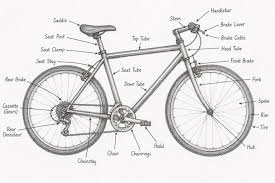
To test the limits of GPT’s spatial and mechanical logic, let’s look at a common object: the bicycle. On a superficial level, the AI can draw a bike that looks “correct.” However, when asked to label the components, the hallucinations become obvious. In recent tests, the AI has demonstrated several critical failures:
- n
- Mislabeled Components: Labeling a rear center-pull brake as a seat stay.
- Conceptual Confusion: Identifying a large rear gear as the rear brake.
- Spatial Errors: Placing labels for spokes in completely empty spaces.
The most telling part? The AI often blends different eras of technology. It might combine the position of a modern disc brake system with the visual look of an older caliper system. This proves that GPT doesn’t understand how a bike functions; it simply knows that “brakes usually go in this general area.”
Pushing the Limits: The Tandem Bike Challenge
To truly challenge the system, we can move away from common images found on Google and request something novel. For instance, asking for a “taller than average tandem bike with a bike rack and panniers” creates a scenario the AI cannot simply mimic from a training set.
The results are often a nightmare for any bike mechanic. We see rear derailleurs stuffed inside the back wheel and saddle-shaped handlebars where they don’t belong. It’s a vivid reminder that while GPT-4 and its successors are masters of mimicry, they are not yet masters of physics or engineering.
Beyond Images: Hallucinations in Coding
This lack of functional comprehension isn’t limited to images; it extends to high-level logic and coding. Even with advanced agents like Claude Code or Opus, the struggle remains the same when dealing with novel requirements.
When tasked with a complex, original algorithm—something that hasn’t been solved a thousand times on GitHub—AI tends to rely on existing patterns rather than true problem-solving. Without rigorous human guidance and a strict “escape hatch” to prevent it from making things up, the AI can spend hours (and a significant amount of tokens) iterating on a hallucination rather than a solution.
Conclusion: The Gap Between Pattern and Purpose
AI is an incredible tool for productivity and inspiration, but we must remain aware of the gap between pattern recognition and actual comprehension. Whether it’s a mislabeled bike part or a flawed line of code, the lesson is clear: always verify the output. The AI can paint a beautiful picture, but it still doesn’t know how the machine works.
What’s the weirdest AI hallucination you’ve encountered? Let us know in the comments!



