Beyond the Engine: General Motors’ Strategic Pivot to AI and Digital Services
The global automotive landscape is currently a “dynamic mess.” From shifting tariffs and geopolitical conflicts to fluctuating fuel costs and the cooling of EV incentives, automakers are facing a perfect storm. However, General Motors (GM) is charting a clear path toward survival and success by leaning into two critical pillars: its powerhouse full-size trucks and a massive leap into AI-driven digital services.
The Financial Pulse: Trucks as the Economic Engine
GM’s first-quarter earnings reveal a complex but resilient financial picture. While net income saw a slight dip of 5.7% to $2.63 billion, the company’s adjusted earnings before interest and taxes (EBIT) actually rose by 2%, reaching $4.25 billion. This growth was largely propelled by North American operations, which generated a staggering $3.67 billion in profit.
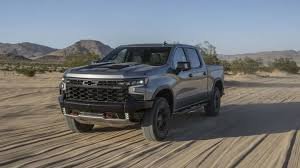
The secret sauce? Big trucks and SUVs. With a commanding 42% share of the U.S. full-size pickup market, GM is utilizing these high-margin vehicles to anchor its financial stability. While plant retooling and inventory lean-outs created temporary headwinds, the ramp-up of new truck production in the third quarter is expected to restore momentum.
The AI Shift: From Hardware to Software-Defined Vehicles (SDV)
Perhaps the most exciting evolution is GM’s integration of artificial intelligence. In an era where Google Gemini and other Large Language Models (LLMs) are transforming every industry, GM is applying similar AI logic to the road. CEO Mary Barra revealed a startling statistic: nearly 90% of the code written by GM’s autonomy team is now generated by AI.
This AI-centric approach is the foundation for SDV 2.0 (Software Defined Vehicles), set to debut in 2028 with the Cadillac Escalade IQ. This next-generation system aims to provide true eyes-off, hands-free driving capabilities, transforming the car from a mere machine into a sophisticated digital companion.
- Super Cruise: Expected to reach 850,000 subscribers by year-end.
- OnStar: A revenue juggernaut, generating $750 million in Q1 (up 20%) with a target of 13 million subscribers by 2026.
- Global Scale: Digital revenue streams are now active in over 20 markets outside the U.S. and Canada.
Navigating the EV Transition and the Hybrid Pivot
While the dream of a fully electric future remains, GM is being pragmatic about current market demand. A softening in EV sales has led the company to scale back certain production plans and explore Extended-Range Electric Vehicles (EREVs). These plug-in hybrids, where a gas engine acts as a generator, offer a middle ground for consumers not yet ready to go fully electric.
Despite these pivots, GM remains optimistic. With an expected EBIT of $13.5 billion to $15.5 billion this year—aided by roughly $500 million in illegal duty refunds—the company is well-positioned to weather the storm.
Conclusion: A Portfolio for Every Future
By diversifying its powertrain offerings and aggressively integrating AI-driven software, General Motors is ensuring it doesn’t just survive the transition to the digital age but leads it. The synergy between rugged hardware (trucks) and cutting-edge software (AI and SDV 2.0) is the blueprint for the modern automotive giant.
For more insights into the intersection of technology and transport, you can follow the latest updates on General Motors’ Official Site or explore AI trends via Google DeepMind.