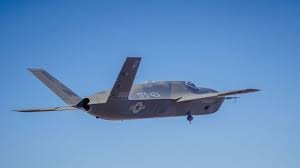
The Dawn of Autonomous Warfare: GE Aerospace Leads the Charge
The landscape of modern aerial combat is shifting. We are moving away from a reliance solely on crewed fighter jets toward a hybrid ecosystem where humans and machines operate in perfect synchronization. At the heart of this revolution is GE Aerospace, a company consistently pushing the boundaries of propulsion technology.
For those monitoring GE stock and the company’s long-term growth trajectory, the recent developments in autonomous propulsion aren’t just engineering wins—they are strategic business milestones that position GE as a critical pillar of future national security.
Introducing the GE426: The Heart of the Autonomous Collaborative Platform
GE Aerospace has recently secured a pivotal contract from the U.S. Air Force to advance the development of the GE426 engine. This isn’t just another piece of hardware; it is a propulsion system specifically engineered for the medium-thrust Autonomous Collaborative Platform (ACP) initiative.
The goal? To create autonomous combat aircraft—often referred to as “loyal wingmen”—that can fly alongside piloted jets to perform high-risk missions. The GE426 is being designed with three core pillars in mind:
- n
- Performance: Meeting rigorous military standards for speed and agility.
- Affordability: Ensuring the cost allows for the deployment of large fleets.
- Manufacturability: Leveraging scalable production to meet urgent defense needs.
A Proven Track Record of Rapid Innovation
GE Aerospace isn’t starting from scratch. The company has a history of rapid prototyping and successful delivery in the defense sector. By partnering with Kratos Defense & Security Solutions, GE has already developed the GEK800 and GEK1500 propulsion systems.
In February 2026, GE and Kratos were awarded a $12.4 million contract for the GEK1500, a 1,500-pound-thrust engine designed for smaller collaborative combat aircraft. This diversified portfolio of engines ensures that GE can power everything from small surveillance drones to medium-thrust combat platforms.
Why This Matters for GE’s Market Position
When analyzing the factors that drive GE stock, investors look for sustainable competitive advantages. GE Aerospace is utilizing digital engineering tools and over a century of propulsion expertise to slash development times and reduce costs.
As the U.S. Air Force increases its investment in uncrewed technologies to reduce pilot risk in contested airspace, the demand for scalable, high-performance engines will skyrocket. GE’s ability to move from concept to demonstration rapidly makes them the preferred partner for the Pentagon.
Final Thoughts: Engineering the Future
The GE426 engine represents more than just a contract; it represents a shift in how air power is projected. By balancing cutting-edge performance with the reality of mass production, GE Aerospace is not only securing the skies but also securing its place as a leader in the aerospace industry for decades to come.