Is the Fitbit Air the Future of Discreet Health Tracking?
In an era where our wrists are constantly buzzing with notifications, emails, and reminders, the Fitbit Air arrives as a refreshing breath of digital silence. Google’s new $100 screenless health tracker isn’t trying to compete with the Apple Watch or the Pixel Watch; instead, it positions itself as the perfect antidote for those who want the data without the distraction.
After spending significant time with the device, it’s clear that the Fitbit Air returns to the original premise of wearables: wear it, forget it, and check the app later.
Design: Invisible Tech for Maximum Comfort
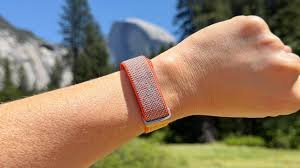
The first thing you notice about the Fitbit Air is what’s missing: the screen. By stripping away the display, Google has created a slim, lightweight band that practically disappears on your wrist. Whether you choose the trendy woven band or the sporty silicone option, the aesthetic is versatile enough to pair with everything from gym gear to casual office wear.
Compared to competitors like the Oura Ring or Whoop, the Fitbit Air offers a more accessible entry point into the world of recovery-focused tracking without the steep hardware costs or mandatory high-priced memberships.
Battery Life and the Sleep Tracking Advantage
One of the biggest struggles for smartwatch users is the “charging gap.” Most high-end watches require daily charging, which usually happens at night—exactly when the most valuable health data (HRV, skin temperature, and sleep quality) is collected.
- n
- Impressive Endurance: The Fitbit Air boasts an 8-day battery life, meaning it stays on your wrist uninterrupted.
- Consistent Baselines: Because it doesn’t need to be charged nightly, you get a complete picture of your sleep patterns and recovery.
- Smart Wake: The device features a gentle vibration alarm that wakes you during your lightest sleep stage.
The Gemini-Powered AI Health Coach
The brain behind the band is the Google Health app, now featuring a Gemini-powered AI Health Coach. This assistant analyzes your activity, sleep, and heart rate to provide personalized training suggestions and recovery tips.
While the AI can sometimes feel a bit too “cheerleader-like,” its ability to connect the dots is genuinely useful. For example, it can flag a low readiness score and suggest an earlier bedtime or explain how a strenuous activity (like a long hike with a toddler) impacted your muscle groups and recovery needs.
Performance: Where It Shines and Where It Struggles
For $100, the Fitbit Air is a powerhouse of passive monitoring. It tracks SpO2, blood oxygen levels, skin temperature, and even AFib (atrial fibrillation)—a high-end feature usually reserved for more expensive devices.
However, the lack of a screen creates some “blind spots”:
- Live Metrics: You cannot check your pace or heart rate zone during a workout without looking at your phone.
- GPS Dependency: GPS is fully phone-dependent. If you leave your phone behind during a hike, your distance and elevation data will be inaccurate.
- Menstrual Tracking: While it tracks skin temperature, this data isn’t fully integrated into the menstrual cycle predictions, making it less precise than Garmin or Oura.
The Bottom Line: Who is the Fitbit Air For?
The Fitbit Air is not a smartwatch replacement; it’s a specialized tool. It is the ideal choice for:
- The Minimalist: Someone who hates notifications and wants a discreet way to monitor health.
- The Smartwatch Owner: Those who already have a watch but want a more consistent, lightweight device for overnight sleep tracking.
- The Budget-Conscious: Anyone wanting professional-grade health metrics without a $300+ investment.
By focusing on simplicity and consistency, Google has created a device that gets out of your way and lets your health data speak for itself. For $100, it’s a low-risk, high-reward investment in your wellness journey.