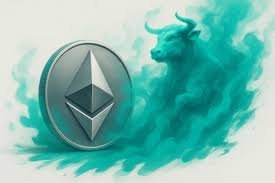
Understanding Ethereum: More Than Just a Digital Currency
When people talk about ETH, they are often referring to the native cryptocurrency of the Ethereum network. However, to truly understand the value of ETH, one must realize that Ethereum is not just a digital coin like Bitcoin; it is a decentralized, open-source blockchain with smart contract functionality.
Think of Bitcoin as “digital gold”—a store of value. In contrast, Ethereum is like a “global computer” that allows developers to build and deploy decentralized applications (dApps) that run without the need for a central authority.
What are Smart Contracts?
The real breakthrough of the Ethereum network is the introduction of smart contracts. These are self-executing contracts with the terms of the agreement directly written into lines of code. They eliminate the need for a middleman (like a lawyer or a bank), ensuring that transactions occur only when specific conditions are met.
- Automation: Processes that once took days now happen in seconds.
- Transparency: Every transaction is recorded on the public ledger.
- Security: Cryptographic encryption makes these contracts nearly impossible to alter.
The Evolution: From Proof of Work to Proof of Stake
One of the most significant milestones in the history of ETH was “The Merge.” Ethereum transitioned from a Proof of Work (PoW) system—which required massive amounts of electricity—to Proof of Stake (PoS). This shift reduced the network’s energy consumption by over 99%, making it a more sustainable choice for institutional investors and eco-conscious users.
Ethereum’s Role in Web3 and DeFi
Ethereum is the foundation for the next generation of the internet, known as Web3. Unlike Web2, where a few tech giants control the data, Web3 is decentralized. This evolution has given birth to DeFi (Decentralized Finance), allowing users to lend, borrow, and trade assets without traditional banks.
Furthermore, the rise of NFTs (Non-Fungible Tokens) was largely fueled by the Ethereum blockchain, enabling creators to prove ownership and authenticity of digital art and collectibles.
Is ETH a Good Investment?
While the crypto market is famously volatile, the utility of the Ethereum network provides a strong fundamental value. As more businesses integrate blockchain into their operations—from supply chain management to gaming—the demand for ETH to pay for “gas fees” (transaction costs) continues to grow.
For more detailed real-time data on price and market cap, you can check CoinMarketCap, or explore the official technical documentation at Ethereum.org.
Conclusion
Ethereum is far more than a speculative asset. By combining the security of blockchain with the flexibility of smart contracts, it is paving the way for a more transparent, efficient, and decentralized future. Whether you are a developer, an investor, or a tech enthusiast, keeping an eye on ETH is essential to understanding the future of digital finance.