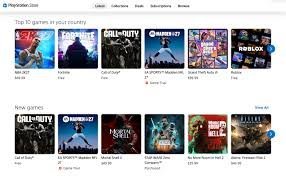
The Battle for Your Digital Library: Sony vs. The Gamers
For years, we’ve clicked the “Buy” button on the PlayStation Store without a second thought. We assume that once the transaction is complete and the game is downloaded, that title belongs to us forever. However, a brewing legal battle is revealing a starkly different reality: you might not actually own your digital games.
A proposed class action lawsuit has landed in California’s Northern District Court, challenging how Sony discloses the nature of digital purchases. At the heart of the conflict is a fundamental question: Is “buying” a digital game actually a purchase, or is it merely a long-term rental?
The Legal Spark: California’s New Consumer Standards
The lawsuit stems from a growing movement to protect consumer rights in the digital age. Specifically, it points to a 2025 California law that mandates companies provide a “clear and conspicuous” warning to consumers. This law requires businesses to state in plain language that purchasing a digital good is, in fact, a license, not a permanent transfer of ownership.
The plaintiffs argue that Sony’s current disclosures are insufficient and misleading, leaving gamers under the false impression that they have permanent access to the software they paid for.
Sony’s Defense: “Reasonable Consumers” and the Fine Print
In a recent filing, Sony has pushed back, asserting that their current disclosures are perfectly clear. According to Sony, a “reasonable consumer” would not be misled. Their defense rests on two main pillars:
- n
- The Terms of Service: Sony points out that every purchase is subject to the PlayStation Terms of Service and the Software Product Licensing Agreement (SPLA).
- The Nature of Digital Goods: Sony argues that digital copies are inherently different from physical objects. Their legal team suggests that because multiple people can have a copy of the same digital file, the traditional concept of “ownership” doesn’t apply.
However, there is a catch. While Sony claims the information is available, these crucial details—stating that “the Software is licensed to you, not sold”—are often buried deep within documents that span thousands of words. For the average gamer, finding these lines is like searching for a needle in a digital haystack.
Why This Matters for the Future of Gaming
This case is about more than just semantics; it’s about Digital Rights Management (DRM) and the future of media preservation. If we only own licenses, platforms could theoretically revoke access to our libraries at any time without compensation.
As the industry shifts further away from physical discs toward a fully digital ecosystem, the outcome of this lawsuit could set a massive precedent for how Digital Rights Management is handled across the entire tech industry.
Final Thoughts
Whether you are a casual player or a hardcore collector, this lawsuit highlights the importance of reading the fine print. As we move toward a “subscription-first” world, the line between owning and renting continues to blur. Stay tuned as this legal battle unfolds in the California courts.