The Day the Digital World Shut Down: A Wake-Up Call for Sovereignty
Imagine waking up to find that your credit cards are declined, your favorite apps won’t open, and your ability to book a hotel or order a package has vanished. For most of us, this sounds like a dystopian movie, but for Judge Nicolas Guillou of the International Criminal Court (ICC), it became a harsh reality.
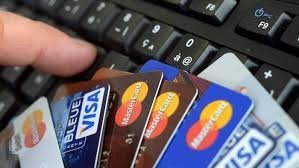
After issuing arrest warrants against high-profile political figures, Guillou found himself on a US sanctions list. The result? He wasn’t just banned from entering American soil; he was effectively erased from the modern digital economy. From Visa and Mastercard to Google Pay and Amazon, the tools we use daily became barriers to his basic survival.
The Invisible Monopoly: Our Dependence on Big Tech
The case of Judge Guillou highlights a critical vulnerability in our global infrastructure: digital sovereignty. Currently, a handful of American giants dominate the processing of transactions and the storage of data worldwide. When a single superpower controls the “pipes” of the internet, they hold a metaphorical “kill switch” over individuals and entire nations.
Consider these staggering facts about our digital dependence:
- n
- Payments: US-based credit cards process nearly 80% of transactions in Europe.
- Cloud Storage: Amazon, Microsoft, and Google control nearly 80% of the European cloud market.
- Infrastructure: Nearly half of the world’s 12,000 data centres are centralized in the United States.
n
n
n
The Fight for Tech Independence: European Alternatives
Recognizing this danger, there is a growing movement toward tech independence. It is not about isolating oneself from the world, but about creating viable alternatives to ensure stability and privacy.
1. Financial Autonomy with Wero
To counter the dominance of Apple Pay and Google Pay, the European payment app Wero is gaining traction. By promoting peer-to-peer (P2P) payments, Wero aims to provide a secure, European-managed alternative that keeps data within EU borders and supports local industry.
2. Cloud Sovereignty via OVHcloud
Companies like OVHcloud are fighting to provide data storage that is protected from extraterritorial laws. The goal is to prevent the nightmare scenario where a foreign government can suddenly wipe out a company’s HR files or a citizen’s personal photos.
3. Government-Led Digital Shifts
In France, the government is leading by example. By replacing Microsoft Office and Google Suite with open-source, home-grown tools like Tchap (a WhatsApp alternative) and Visio (a Zoom alternative), they are reducing their reliance on foreign software.
Beyond the Border: The Global Push for Autonomy
This isn’t just a European struggle. The European Commission recently unveiled its Tech Sovereignty Package, investing heavily in semi-conductors and AI. Interestingly, this movement has reached across the Atlantic, with collaborations between France and Quebec to share strategies on operating systems and digital autonomy.
Final Thoughts: Diversification is the Key
As Judge Guillou reflects on his experience, he notes that while “denumeralizing” one’s life is laborious, it is possible. However, the goal for society shouldn’t be to return to the 90s, but to diversify. Digital sovereignty is about having a choice. When we have multiple options for how we pay, communicate, and store data, we are no longer at the mercy of a single company or government.
Is your digital life too dependent on a single source? Now might be the time to explore sovereign alternatives.