
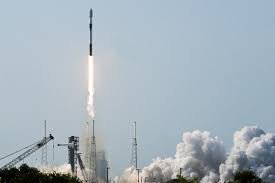
Collision Course: Defunct SpaceX Rocket Part to Crash Into the Moon
In a rare and unexpected turn of events, the lunar surface is about to welcome an unintentional visitor. A defunct piece of a SpaceX rocket is currently on a trajectory that will lead to a crash on the moon next week, marking an exceedingly rare instance of man-made debris striking the lunar landscape without intent.
An Exceedingly Rare Lunar Event
While humanity has spent decades intentionally sending probes, landers, and astronauts to the moon, it is remarkably uncommon for a piece of discarded hardware to accidentally hit the lunar surface. Typically, spent rocket stages either remain in a stable orbit or are directed to burn up upon re-entering Earth’s atmosphere.
This specific event highlights the complex nature of orbital mechanics. When a rocket component is left in a particular trajectory, gravitational influences from the Earth and the moon can occasionally pull debris toward a collision course, creating a “natural” landing for human-made objects.
Why This Matters for Space Exploration
Although a single piece of debris may not cause significant environmental damage to the vast lunar surface, the event sparks a broader conversation about “space junk.” As we enter a new era of lunar colonization and frequent missions, managing the remnants of our technology becomes crucial.
According to NASA, the tracking of orbital debris is essential not only for the safety of satellites but also for the preservation of celestial bodies we intend to visit in the future.
Key Highlights of the Incident:
- Unintentional Impact: Unlike planned missions, this crash is the result of orbital decay and gravitational pull.
- Rare Occurrence: Very few man-made objects have hit the moon unintentionally.
- SpaceX Legacy: While the company is a pioneer in reusable rocketry, some components inevitably remain in space.
Looking Toward the Future
As missions like the Artemis program aim to establish a sustainable human presence on the moon, this incident serves as a reminder of the footprint we leave behind in the cosmos. Monitoring these impacts helps scientists better understand lunar gravity and the long-term behavior of materials in the vacuum of space.
Stay tuned for more updates as we track the final descent of this SpaceX fragment onto the lunar surface.



