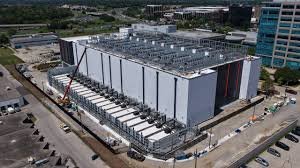
Canada’s AI Data Centre Boom: Why the North is the New Frontier for Intelligence
The global race for Artificial Intelligence (AI) supremacy isn’t just happening in Silicon Valley or Beijing. A quiet but powerful revolution is taking place across the Canadian landscape. The Canada AI data centre boom is transforming the nation into a critical pillar of the global digital infrastructure, attracting billions in investment from tech giants like Microsoft, Google, and Amazon.
But why Canada? What makes the Great White North the ideal destination for the massive computing power required to train Large Language Models (LLMs) and power generative AI?
The Perfect Storm: Factors Driving the Growth
Several unique advantages have converged to create a “perfect storm” for data centre expansion in Canada:
- Natural Cooling: Data centres generate immense heat. Canada’s naturally cold climate allows operators to utilize “free cooling” techniques, significantly reducing the energy needed for refrigeration and lowering operational costs.
- Green Energy Abundance: With vast hydroelectric resources in provinces like Quebec and British Columbia, Canada offers a sustainable energy profile. As companies strive to meet net-zero emissions goals, access to carbon-free electricity is a non-negotiable requirement.
- Political Stability and Talent: Canada is renowned for its stable regulatory environment and a world-class AI talent pool, anchored by research hubs in Toronto, Montreal, and Edmonton.
Economic Impact: Beyond the Server Racks
The surge in data centre construction is doing more than just increasing storage capacity; it is fueling a broader economic evolution. The Canada AI data centre boom is creating a ripple effect across multiple sectors:
- Job Creation: From high-tech engineering and cybersecurity roles to construction and facility management.
- Infrastructure Upgrades: Increased demand for high-speed fibre optics and electrical grid modernization.
- Local Innovation: The proximity of massive compute power encourages local startups to develop AI-driven solutions without needing to rely solely on offshore cloud services.
The Challenges Ahead: Power and Sustainability
Despite the excitement, the rapid expansion brings significant challenges. The primary concern is the strain on the electrical grid. AI workloads are exponentially more energy-intensive than traditional cloud computing. This has sparked a debate on how to balance industrial growth with residential energy needs.
Furthermore, water usage for cooling remains a point of environmental scrutiny. The next phase of the boom will likely focus on liquid cooling technologies and circular energy systems, where waste heat from data centres is repurposed to warm nearby homes or greenhouses.
Looking Forward: A Sovereign AI Future
As the world moves toward “Sovereign AI”—where nations want their data processed and stored within their own borders for security and privacy reasons—Canada is perfectly positioned. By leveraging its natural advantages, Canada isn’t just hosting the world’s data; it is building the foundation for the next era of human intelligence.
For more information on Canada’s strategic approach to artificial intelligence, you can explore the Government of Canada’s official portals regarding digital economy and innovation.