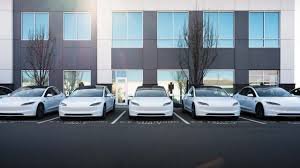
Tesla Reclaims the Crown: BYD Electric Car Sales Experience a Dip
The electric vehicle (EV) landscape is constantly shifting, and the first quarter of 2026 has seen a significant change at the top. Tesla has once again become the world’s leading electric car manufacturer, surpassing its primary competitor, BYD. This comes after Tesla reported increased delivery numbers while BYD experienced a double-digit percentage decrease in sales.
Tesla’s Q1 Performance
Elon Musk’s Tesla delivered an impressive 358,023 electric vehicles during the first three months of 2026, representing a 6.5% increase compared to the same period last year. The Model Y continues to be Tesla’s best-selling model, driving much of this growth. You can find more information about Tesla’s models on their official website.
BYD’s Challenges in Q1
In contrast, BYD, which briefly held the top spot in 2025, faced a challenging first quarter. The company delivered 310,389 pure electric vehicles, a substantial 25% decrease year-over-year. While BYD also manufactures plug-in hybrid vehicles (PHEVs), and overall sold 695,772 new-energy vehicles (NEVs), this represents a 30% decline from the previous year.
The Battle for EV Dominance
The competition between Tesla and BYD for global EV sales leadership has been intense since 2023, with BYD first surpassing Tesla in the fourth quarter of that year. BYD finished 2025 as the largest EV manufacturer globally, but its position is now under pressure.
BYD’s Expansion and Market Hurdles
Currently, BYD vehicles have limited presence on American roads, although the company is gradually increasing deliveries in Europe, where the EV market is experiencing robust growth. However, the situation in its home market, China, is becoming more complex.
Impact of Government Policy Changes in China
The Chinese government has significantly reduced subsidies for new EV buyers. The current bonus is capped at 20,000 yuan (approximately $2,905), a considerable reduction from last year’s trade-in subsidy scheme, which offered up to 12% of a new car’s price as an incentive. Furthermore, EV buyers now face a 5% tax on their vehicles, a change from the previous exemption. These policy shifts are making EVs less affordable for Chinese consumers.
Tesla’s Strategies and Diversification
Tesla also faced challenges with the cancellation of the $7,500 federal tax credit for new EVs in the United States in 2025, impacting all automakers. However, Tesla is focusing on its core models, the Model 3 and Model Y, while BYD boasts a more diversified lineup. For a deeper dive into EV incentives, check out the U.S. Department of Energy’s website.
Looking Ahead
The electric vehicle market remains dynamic, and the battle between Tesla and BYD is far from over. Government policies, consumer preferences, and technological advancements will continue to shape the future of EV sales globally. The coming quarters will be crucial in determining which company can maintain its momentum and solidify its position as the leader in the electric car revolution.