
Chaos at Cape Canaveral: Blue Origin’s New Glenn Rocket Ends in Fireball
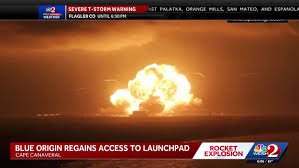
The space race just hit a significant bump in the road. In a dramatic turn of events that has dominated meteomedia trends and space enthusiast forums, Blue Origin’s New Glenn rocket suffered a catastrophic “hotfire anomaly,” resulting in a massive explosion at Launch Complex 36 at the Cape Canaveral Space Force Station.
The blast was so powerful that it illuminated the Florida night sky, triggering dozens of emergency calls. Some witnesses described the scene as resembling an “atom bomb,” highlighting the sheer scale of the energy released during the failure. Fortunately, no injuries were reported, but the physical damage to the launchpad is extensive.
The Road to Recovery: What Happens Now?
Blue Origin CEO Dave Limp has since confirmed that the company has regained partial access to the site. In a recent social media update, Limp expressed optimism about the recovery process, stating that a comprehensive rebuild plan is already in motion.
- n
- Current Status: Efforts to clear the pad are beginning soon.
- Hardware Check: Preliminary assessments suggest the booster and GS2s in the integration facility remain healthy.
- Investigation: A full root-cause analysis is underway to determine why the anomaly occurred.
Impact on NASA and the Artemis Program
This isn’t just a loss for Jeff Bezos’ venture; it’s a potential headache for NASA. The New Glenn rocket is a cornerstone of the Artemis program, designed to serve as a critical launch vehicle for lunar landers intended to return humans to the Moon.
NASA Administrator Jared Isaacman is currently evaluating how this explosion affects the timeline for moon-base ambitions. Industry experts, including Eric Berger of Ars Technica, suggest this could be a significant setback. Estimates indicate it may take 12 to 18 months before another launchpad is ready for the New Glenn rocket.
With the Artemis III launch targeted for late 2027, the margin for error is shrinking. Any further delays could postpone the critical docking and rendezvous tests necessary for safe lunar landings.
Public Safety Warning for Florida Coastlines
In a concerning post-blast development, Blue Origin has issued a warning to beachgoers in Brevard County. Due to the magnitude of the explosion, debris may wash ashore in the coming weeks. The affected areas range from Playalinda Beach south to Cocoa Beach.
The Competitive Landscape: SpaceX and ULA
While Blue Origin reels from the blast, its competitors continue to soar. Less than 24 hours after the New Glenn explosion, SpaceX and the United Launch Alliance (ULA) successfully executed a “doubleheader,” launching Falcon 9 and Atlas V rockets from other pads at Cape Canaveral. This stark contrast emphasizes the high-stakes, high-pressure environment of modern commercial spaceflight.
For more updates on the future of lunar exploration, stay tuned to the latest Blue Origin announcements and NASA’s mission briefings.



